- Home
- About Sadaf
- Our Services
- Therapies Offered
- Cognitive Behavioural Therapy (CBT)
- Emotionally Focused Therapy (EFT)
- Trauma-Informed Therapy
- Mindfulness-Based Therapy
- Acceptance & Commitment Therapy (ACT)
- Internal Family Systems (IFS) Therapy
- Person Centred Therapy
- Psychodynamic Therapy
- Solution-Focused Therapy
- Dialectical Behaviour Therapy (DBT)
- Psychoeducation
- Areas of Support
- Rates

- Home
- About Sadaf
- Our Services
- Therapies Offered
- Cognitive Behavioural Therapy (CBT)
- Emotionally Focused Therapy (EFT)
- Trauma-Informed Therapy
- Mindfulness-Based Therapy
- Acceptance & Commitment Therapy (ACT)
- Internal Family Systems (IFS) Therapy
- Person Centred Therapy
- Psychodynamic Therapy
- Solution-Focused Therapy
- Dialectical Behaviour Therapy (DBT)
- Psychoeducation
- Areas of Support
- Rates
- Home
- About Sadaf
- Our Services
- Therapies Offered
- Cognitive Behavioural Therapy (CBT)
- Emotionally Focused Therapy (EFT)
- Trauma-Informed Therapy
- Mindfulness-Based Therapy
- Acceptance & Commitment Therapy (ACT)
- Internal Family Systems (IFS) Therapy
- Person Centred Therapy
- Psychodynamic Therapy
- Solution-Focused Therapy
- Dialectical Behaviour Therapy (DBT)
- Psychoeducation
- Areas of Support
- Rates
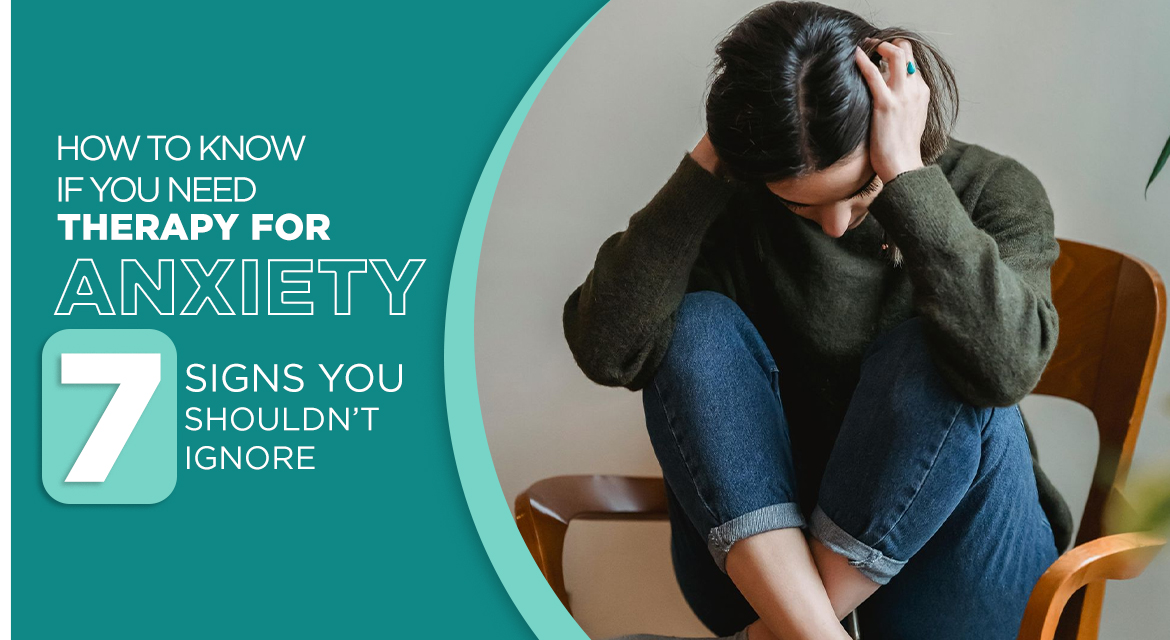
How to Know If You Need Therapy for Anxiety: 7 Signs You Shouldn’t Ignore
Anxiety is one of the most common mental health challenges people experience today. In small amounts, anxiety can help us stay alert and motivated. However, when anxiety becomes persistent, overwhelming, or interferes with daily life, professional support may be helpful.
Many people struggle silently with anxiety without realizing that therapy can provide practical tools and emotional relief. Understanding the signs can help you decide when it may be time to seek support.
Understanding Anxiety in Everyday Life
Life transitions, work pressure, parenting responsibilities, and cultural expectations can all contribute to anxiety. For many individuals, these stressors accumulate over time, leading to emotional and physical symptoms.
Common causes of anxiety include:
- Work or academic stress
- Relationship challenges
- Major life changes such as immigration or relocation
- Financial pressures
- Parenting responsibilities
While occasional worry is normal, chronic anxiety can begin to affect your mood, sleep, relationships, and overall wellbeing.
7 Signs You May Need Therapy for Anxiety
- Constant Overthinking
Do you find your mind constantly replaying situations or imagining worst-case scenarios? Persistent overthinking can make it difficult to relax or enjoy daily activities.
Therapy helps you develop strategies to interrupt anxious thought patterns and regain mental clarity.
- Difficulty Sleeping
Anxiety often interferes with sleep. You might struggle to fall asleep, wake frequently during the night, or feel restless even after sleeping.
Lack of quality sleep can worsen anxiety and affect your physical health.
- Physical Symptoms of Anxiety
Anxiety doesn’t only affect the mind; it can also affect the body.
Common physical symptoms include:
- Headaches
- Muscle tension
- Rapid heartbeat
- Digestive discomfort
- Fatigue
Therapy can help you understand the mind-body connection and manage these symptoms effectively.
- Avoiding Certain Situations
If anxiety causes you to avoid social events, conversations, or important responsibilities, it may be limiting your quality of life.
Therapy helps individuals gradually build confidence and face difficult situations with healthier coping strategies.
- Feeling Emotionally Exhausted
Living with constant worry can feel mentally draining. You may feel overwhelmed, irritable, or emotionally depleted.
A supportive therapeutic environment allows you to explore these feelings safely and find ways to restore emotional balance.
- Difficulty Concentrating
Anxiety can make it hard to focus on work, studies, or daily tasks. Racing thoughts often make it difficult to stay present.
Therapy can help improve focus by teaching mindfulness and cognitive techniques.
- Loss of Joy or Motivation
When anxiety becomes overwhelming, activities you once enjoyed may begin to feel stressful or meaningless.
Therapy helps reconnect you with your values, interests, and sense of purpose.
How Therapy Helps Manage Anxiety
Psychotherapy provides tools and strategies that help individuals better understand and manage anxiety.
Common therapeutic approaches include:
- Cognitive Behavioural Therapy (CBT) to identify and change negative thought patterns
- Mindfulness practices to reduce stress and improve emotional awareness
- Emotion regulation techniques to manage intense feelings
- Stress management strategies to improve daily functioning
With the right support, many people learn to navigate anxiety with greater confidence and resilience.
Benefits of Online Anxiety Therapy
Virtual therapy has made mental health support more accessible than ever.
Benefits include:
- Attending sessions from the comfort of home
- Flexible scheduling
- Greater privacy and convenience
- No commuting required
Online therapy allows individuals to prioritize their mental health while balancing work, family, and other responsibilities.
When to Reach Out for Professional Support
If anxiety is affecting your relationships, sleep, work, or overall wellbeing, speaking with a therapist can be an important step toward healing.
Seeking therapy is not a sign of weakness. It is a step toward understanding yourself better and building healthier coping skills.
At Horizon Healing Psychotherapy, we offer a compassionate and supportive space where individuals can explore their experiences and develop practical tools for managing anxiety.
Take the first step toward emotional balance.
Virtual therapy sessions are available to support your mental health journey.
- Psychotherapy sessions are virtual( meet from the comfort of your home)
- Timings: 10 am-3:30 pm. Evenings are available from 6pm to 10pm with a time/day consultation.
- some weekends available on request.


Useful Links
NewsLetter
Feel Free to reach out if you want to collaborate with us, or simply have a chat.

