- Home
- About Sadaf
- Our Services
- Therapies Offered
- Cognitive Behavioural Therapy (CBT)
- Emotionally Focused Therapy (EFT)
- Trauma-Informed Therapy
- Mindfulness-Based Therapy
- Acceptance & Commitment Therapy (ACT)
- Internal Family Systems (IFS) Therapy
- Person Centred Therapy
- Psychodynamic Therapy
- Solution-Focused Therapy
- Dialectical Behaviour Therapy (DBT)
- Psychoeducation
- Areas of Support
- Rates

- Home
- About Sadaf
- Our Services
- Therapies Offered
- Cognitive Behavioural Therapy (CBT)
- Emotionally Focused Therapy (EFT)
- Trauma-Informed Therapy
- Mindfulness-Based Therapy
- Acceptance & Commitment Therapy (ACT)
- Internal Family Systems (IFS) Therapy
- Person Centred Therapy
- Psychodynamic Therapy
- Solution-Focused Therapy
- Dialectical Behaviour Therapy (DBT)
- Psychoeducation
- Areas of Support
- Rates
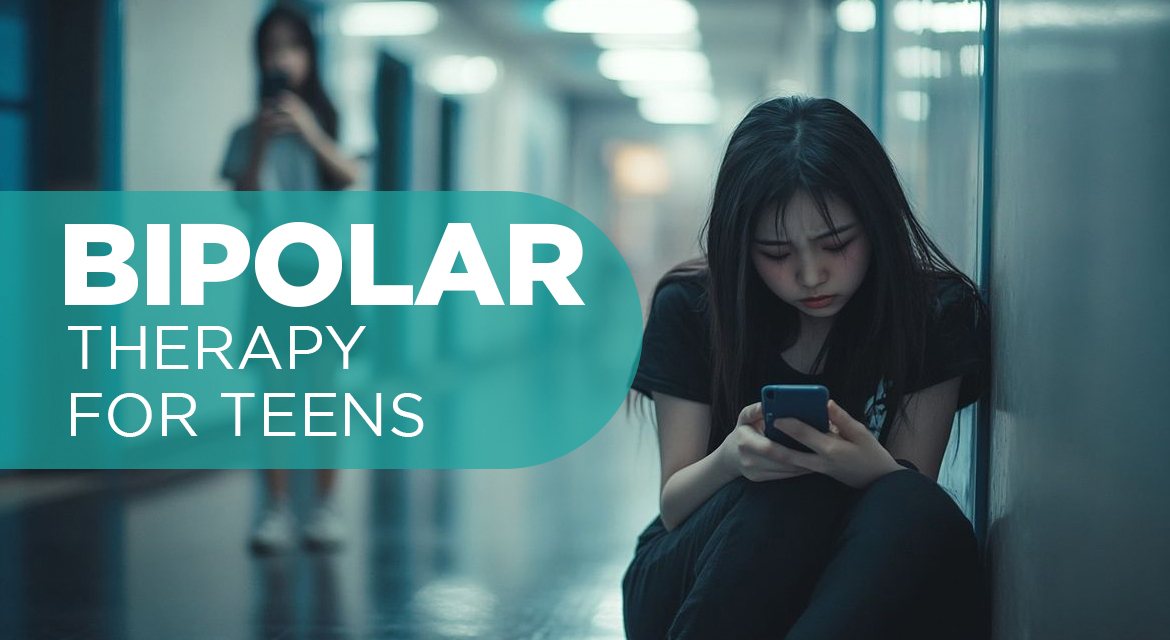
Bipolar Therapy for Teens: Understanding the Signs and Supporting Your Child
One week your teen seems energetic, social, and full of plans. The next, they are withdrawn, exhausted, and barely interested in the things they usually enjoy.
As a parent, it can be difficult to know what is part of normal adolescence and what may be a sign of a deeper emotional struggle.
You may find yourself asking:
- Is this typical teenage behaviour?
- Should I be concerned?
- How can I help my child?
- Would therapy make a difference?
If these questions sound familiar, you are not alone.
Many parents feel uncertain when their teen experiences significant mood changes. Understanding what bipolar disorder is and what it is not can help you make informed decisions and provide meaningful support for your child.
First, Let’s Talk About Teen Mood Changes
The teenage years are filled with change.
Adolescents are navigating academic pressures, friendships, family relationships, identity development, social media influences, and physical changes. It’s completely normal for teens to experience emotional ups and downs as they learn how to manage these challenges.
Experiencing strong emotions does not automatically mean a teen has bipolar disorder.
However, when mood changes become more intense, persistent, or begin affecting daily life, relationships, or school performance, it may be helpful to seek professional support.
What Is Bipolar Disorder?
Bipolar disorder is a mental health condition that affects mood, energy levels, thinking patterns, and behaviour.
Individuals with bipolar disorder experience periods of significant mood changes that go beyond typical emotional fluctuations.
During some periods, a teen may feel unusually energetic, restless, impulsive, or emotionally intense. During other periods, they may experience sadness, low motivation, fatigue, or emotional withdrawal.
These mood shifts can make it difficult to manage school responsibilities, friendships, family relationships, and everyday activities.
It’s important to remember that bipolar disorder looks different for every person. Not every teen will experience symptoms in the same way, which is why professional assessment is so important.
How Bipolar Disorder May Present in Teens
One reason bipolar disorder can be difficult to recognize is that symptoms in teenagers do not always look the same as they do in adults.
Some teens may experience periods of elevated mood that include:
- Increased energy
- Reduced need for sleep
- Racing thoughts
- Rapid speech
- Increased confidence
- Risk-taking behaviours
- Irritability or agitation
- Difficulty slowing down
Parents sometimes describe these periods as feeling like their teen is operating at “full speed.”
At other times, teens may experience symptoms such as:
- Persistent sadness
- Emotional withdrawal
- Fatigue
- Difficulty concentrating
- Changes in sleep patterns
- Feelings of hopelessness
- Loss of interest in activities they once enjoyed
These shifts can be confusing not only for parents, but for teens themselves.
What Bipolar Disorder Is Not
Bipolar disorder is often misunderstood.
It is not:
- Having a bad day
- Being dramatic
- Experiencing normal teenage mood swings
- Being attention-seeking
- Having strong emotions
All teenagers experience emotional ups and downs from time to time.
The difference is that bipolar disorder involves more significant changes in mood, energy, and functioning that can interfere with daily life.
This is why self-diagnosing based on internet searches can be misleading. A qualified mental health professional can help determine what your teen is experiencing and whether further assessment is needed.
Signs Parents May Want to Pay Attention To
While every teen is different, it may be helpful to seek professional guidance if you notice:
- Extreme mood fluctuations
- Significant changes in sleeping patterns
- Sudden behavioural changes
- Increased impulsivity or risk-taking
- Emotional outbursts that seem out of character
- Difficulty functioning at school
- Withdrawal from family and friends
- Persistent emotional distress
You do not need to wait until a situation becomes severe before reaching out for support.
Often, parents seek therapy because they simply want a better understanding of what their teen is experiencing.
How Therapy Can Help
One of the most reassuring things parents learn is that therapy is not about “fixing” their teen.
Instead, therapy provides a supportive environment where teens can better understand themselves, develop coping skills, and learn strategies for managing emotional challenges.
Building Emotional Awareness
Many teens struggle to make sense of what they are feeling.
Therapy can help adolescents:
- Recognize emotional patterns
- Identify triggers
- Understand mood changes
- Develop greater self-awareness
When teens understand their emotions, they are often better equipped to respond to them in healthy ways.
Learning Practical Coping Skills
Therapy can help teens develop tools for managing stress, emotional overwhelm, and difficult situations.
These may include:
- Emotional regulation strategies
- Problem-solving skills
- Mindfulness techniques
- Stress-management tools
- Healthy routine planning
These skills can support overall emotional well-being both now and in the future.
Improving Communication
Many teens find it difficult to talk openly about what they are experiencing.
Therapy can help improve communication by providing a safe space to explore emotions, build confidence, and practice expressing needs more effectively.
Supporting Self-Esteem
Mood-related challenges can affect how teens view themselves.
Therapy can help strengthen self-confidence, self-understanding, and resilience during an important stage of development.
Why Family Support Matters
Parents often play one of the most important roles in a teen’s mental health journey.
Family involvement may help:
- Improve communication
- Reduce misunderstandings
- Strengthen relationships
- Create emotional safety at home
- Increase understanding of mood-related challenges
Many parents worry about saying the wrong thing. The reality is that being present, curious, and supportive often matters more than having all the answers.
What Parents Can Do Right Now
If you’re concerned about your teen’s emotional well-being, consider starting with these simple steps:
Listen More Than You Solve
Sometimes teens need to feel heard before they are ready to accept advice.
Stay Curious
Try asking open-ended questions rather than making assumptions about what they are feeling.
Encourage Healthy Routines
Consistent sleep, nutrition, physical activity, and daily structure can support emotional well-being.
Focus on Connection
Small moments of connection often create opportunities for meaningful conversations.
Seek Professional Guidance When Needed
You do not have to navigate concerns about your child’s mental health alone.
Therapy can provide clarity, support, and practical strategies for both teens and parents.
When Should Parents Seek Professional Support?
It may be helpful to consult a mental health professional if mood changes:
- Interfere with daily functioning
- Affect school performance
- Impact relationships
- Cause significant emotional distress
- Lead to risky or concerning behaviours
Seeking support early can provide valuable insight and help families feel more confident in how they move forward.
Frequently Asked Questions
Can bipolar disorder be diagnosed in teenagers?
Yes. Bipolar disorder can occur during adolescence, although diagnosis should always be made through a comprehensive assessment conducted by qualified healthcare professionals.
Can therapy help teens experiencing mood-related challenges?
Therapy can help teens develop emotional awareness, coping strategies, communication skills, and greater confidence in managing difficult emotions.
Will parents be involved in therapy?
Depending on the teen’s needs and therapeutic approach, parent involvement may be incorporated to support communication and family relationships.
Is virtual therapy available for teens?
Many therapists across Canada offer secure virtual therapy sessions for adolescents and families.
A Final Message for Parents
Watching your child struggle emotionally can feel overwhelming.
You may worry about missing important signs, saying the wrong thing, or not knowing how to help.
The good news is that support is available, and many teens who experience mood-related challenges go on to develop healthy relationships, succeed academically, and build strong emotional resilience.
Seeking support is not a sign that something has gone wrong as a parent.
It is a sign that you care deeply about your child’s well-being.
Understanding what your teen is experiencing is often the first step toward helping them feel supported, connected, and hopeful about the future.
- Psychotherapy sessions are virtual( meet from the comfort of your home)
- Timings: 10 am-3:30 pm. Evenings are available from 6pm to 10pm with a time/day consultation.
- some weekends available on request.


Useful Links
NewsLetter
Feel Free to reach out if you want to collaborate with us, or simply have a chat.

