Author: admin

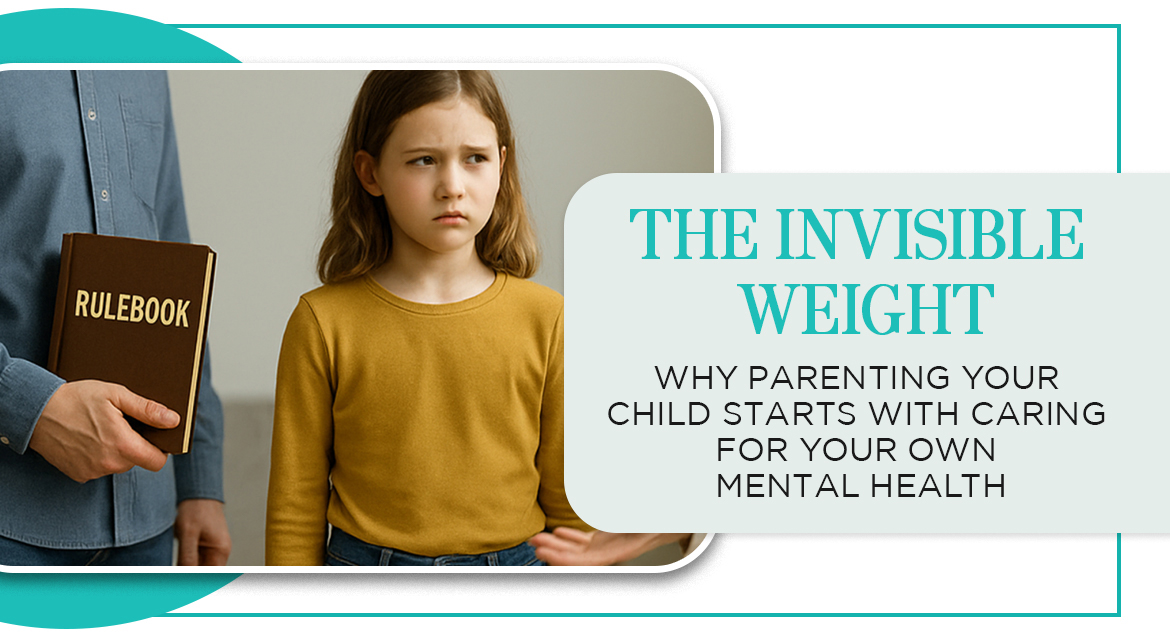
  • The Invisible Weight: Why Parenting Your Child Starts with Caring for Your Own Mental Health

    The Invisible Weight: Why Parenting Your Child Starts with Caring for Your Own Mental Health

    The Invisible Weight: Why Parenting Your Child Starts with Caring for Your Own Mental Health

    By: Sadaf Khan, Founder of Horizon Healing Psychotherapy

    If you are a parent, you are likely familiar with the “Invisible Weight.” It isn’t a physical load, but it feels just as heavy. It is the mental load of remembering school Spirit Days, the emotional labor of soothing a middle-of-the-night nightmare, and the constant, underlying hum of worry: “Am I doing enough? Am I doing this right?”

    At Horizon Healing Psychotherapy, we often see parents who come to us seeking help for their children. They are desperate to help their little ones navigate anxiety, behavioral issues, or big emotions. But one of the most profound truths of family therapy is this: The most powerful tool you have to help your child is a healthy, regulated version of yourself.

    The Science of Co-Regulation: You are the Thermostat

    Many parents view themselves as “mirrors” to their children, reflecting back their needs and emotions. However, in the world of psychotherapy, we view parents more like thermostats.

    A child’s nervous system is still under construction. They do not yet have the biological ability to “calm themselves down” from a state of high distress. Instead, they rely on co-regulation. They “borrow” your calm to stabilize their own internal storm.

    If your “thermostat” is set to high-stress, burnout, or exhaustion, it is nearly impossible to help your child cool down. When a parent is operating from a place of chronic stress, their Window of Tolerance narrows.

    When you are outside your Window of Tolerance perhaps feeling hyper-aroused (anxious/angry) or hypo-aroused (numb/withdrawn) you cannot effectively co-regulate your child. Caring for your mental health isn’t a luxury; it is the act of keeping your thermostat functional so your home stays at a temperature where everyone can thrive.

    The Myth of the Parental Martyr

    Society often tells us that “good” parents are those who give until they have nothing left. We are taught that self-sacrifice is the ultimate sign of love. But in the therapy room, we see the aftermath of this “martyrdom”: burnout, resentment, and a disconnect between parent and child.

    When we ignore our own mental health, the Invisible Weight begins to leak out in ways we don’t intend. It looks like:

    • Snapping at a child for a minor mistake because our “fuse” is already burnt to the end.
    • Feeling “touched out” and unable to offer the physical affection our child craves.
    • A persistent sense of “autopilot,” where we are physically present but emotionally a thousand miles away.

    Self-care is not “me-first”; it is “me-too.” It is acknowledging that your needs for rest, boundaries, and emotional support are just as valid as your child’s.

    Breaking Generational Cycles

    For many of us, the way we parent is a reaction to the way we were parented. We may be trying to give our children the emotional safety we never had. However, “white-knuckling” your way through parenting trying to be “better” through sheer willpower is exhausting.

    By entering therapy or prioritizing your mental wellness, you are doing the hard work of generational healing. You are looking at the patterns of anxiety, anger, or silence that may have been passed down to you and saying, “It stops with me.”

    When your child sees you setting boundaries, asking for help, or taking a moment to breathe when you’re frustrated, you are teaching them more about mental health than any book ever could. You are modeling that human beings have limits, and that seeking support is a sign of strength, not failure.

    What “Caring for Yourself” Actually Looks Like

    At Horizon Healing, we want to redefine self-care for parents. It’s rarely about a weekend at the spa (though that’s lovely!). Real, sustainable mental health support for parents looks like:

    • Setting Boundaries: Learning to say “no” to extra commitments so you have “yes” left for your family and yourself.
    • Emotional Honesty: Acknowledging to yourself (and perhaps a partner or therapist) when you are struggling, rather than burying it.
    • Self-Compassion: Replacing the “inner critic” that tells you you’re failing with the voice of a friend who knows you’re doing your best in a hard job.
    • Professional Support: Having a safe, private space like therapy to process your own fears, traumas, and frustrations so you don’t have to carry them into your interactions with your child.

    Putting on Your Oxygen Mask

    The old cliché of the airplane oxygen mask exists because it is fundamentally true: You cannot pour from an empty cup. If you want your child to be resilient, you must nurture your own resilience. If you want your child to be kind to themselves, you must practice self-kindness. Your mental health is the foundation upon which your child’s well-being is built.

    At Horizon Healing Psychotherapy, we are here to support the whole family. Whether you are navigating the “invisible weight” of new parenthood, the complexities of the teenage years, or your own personal healing journey, you don’t have to do it alone.

    Take the First Step Toward a Lighter Load

    You deserve a space where you are the one being listened to. I invite you to reach out for a free 20-minute consultation. Let’s discuss how we can help you find focus, peace, and the strength to be the parent you truly want to be.

    Your healing is their healing.

    Visit www.horizonhealingpsychotherapy.ca to book your session today.

    • Psychotherapy sessions are virtual( meet from the comfort of your home) 
    • Timings: 10 am-3:30 pm. Evenings are available from 6pm to 10pm with a time/day consultation.
    • some weekends available on request.

    NewsLetter

    Feel Free to reach out if you want to collaborate with us, or simply have a chat.

  • How Therapy Gives Your Child the Language for Big Feelings

    How Therapy Gives Your Child the Language for Big Feelings

    More Than Just Play: How Therapy Gives Your Child the Language for Big Feelings

    By: Sadaf Khan, Founder of Horizon Healing Psychotherapy

    As parents, we often wish our children came with a manual or at the very least, a translator. We watch our little ones navigate a world that is vast, loud, and often confusing. We see the sudden outbursts over a “wrong” colored cup, the quiet withdrawal after a day at school, or the restless nights filled with unspoken worries.

    When a child is struggling, the most common advice is to “talk to them.” But for a child, sitting across from an adult to discuss their “anxiety” or “frustration” can feel impossible. They don’t yet have the neurological hardware to process complex emotions through verbal logic.

    This is where the power of therapy comes in. At Horizon Healing Psychotherapy, we often hear the question: “Is it just play?” The answer is both simple and profound: Play is the child’s language, and toys are their words.

    The Biological “Why”: Understanding the Developing Brain

    To understand why play is so vital in therapy, we have to look at how a child’s brain develops. The prefrontal cortex the part of the brain responsible for logic, reasoning, and complex language isn’t fully developed until a person is in their mid-twenties.

    When a child experiences “Big Feelings” whether it’s grief, fear from a life transition, or the pressure of social dynamics they experience it in the emotional and sensory parts of their brain. They feel it in their racing hearts, their tight tummies, and their clenched fists. Because they lack the verbal vocabulary to say, “I feel overwhelmed by the transition to a new school,” that feeling is translated into behavior: a tantrum, defiance, or bed-wetting.

    Therapy provides a bridge. By using play-based and expressive techniques, we meet the child where they are developmentally, rather than forcing them into an adult’s world of “talk therapy.”

    Play as a Symbolic Language

    In the safe, contained environment of a therapy room, a dollhouse isn’t just a toy; it’s a stage where a child can act out family dynamics. A bin of sand and miniature figures isn’t just a game; it’s a landscape where a child can bury their fears or build a fortress of safety.

    When a child plays, they are engaging in symbolic communication. They can project their internal struggles onto a character. For example, a child who is experiencing bullying might play out a scene where a “brave lion” stands up to a “scary monster.” Through this play, the child:

    1. Gains a sense of control: In the real world, they may feel powerless. In play, they are the director.
    2. Processes trauma safely: By placing the “scary” feeling on a toy, they create a healthy distance from the emotion, making it less overwhelming to process.
    3. Tests solutions: They can try out different endings to a story, helping them build problem-solving skills they can eventually use in real life.

    Building the “Emotional Vocabulary”

    While the play happens, the role of the therapist at Horizon Healing is to act as the “Emotional Translator.”

    As a Registered Therapist (Qualifying), my role is to observe these patterns and gently reflect them back to the child. If a child is aggressively crashing toy cars together, I might say, “Those cars look very frustrated. They have so much energy and they don’t know where to put it.”

    This simple act does something revolutionary for a child: it labels the feeling. Over time, the child begins to connect the physical sensation of “hot” anger or “heavy” sadness with a name. By giving them the language for their big feelings, we move the emotion from a scary, chaotic physical experience to a manageable, named concept. Once a feeling has a name, it loses its power to overwhelm.

    The Goal: Resilience, Not Just Relief

    The objective of child therapy isn’t just to stop a specific behavior; it’s to build a foundation of emotional intelligence that will serve them for the rest of their lives.

    When a child learns through therapy that it is okay to feel angry, that sadness can be shared, and that they have the tools to calm their own nervous system, they become resilient. They learn that they don’t have to navigate their “internal horizon” alone.

    A Partnership with Parents

    At Horizon Healing, we believe that the most successful therapy involves the “village.” You, the parent, are the most important person in your child’s world. While the child is in the room building their vocabulary, we work with you to understand the “why” behind the behaviors.

    When you understand that your child’s “defiance” is actually a “big fear” in disguise, your response shifts from frustration to connection. This connection is the ultimate environment for healing.

    When to Seek Support

    It can be difficult to know when “kids being kids” crosses over into a need for professional support. We often suggest therapy if you notice:

    • Persistent changes in sleep or eating habits.
    • Regression (e.g., a potty-trained child having frequent accidents).
    • Excessive “clinginess” or separation anxiety.
    • Physical complaints (stomachaches/headaches) with no medical cause.
    • Uncontrollable outbursts that seem out of proportion to the situation.

    Finding the Path Forward

    Healing is a journey that doesn’t have to be navigated in silence. If your child is struggling with big feelings, or if you are feeling overwhelmed as a parent, know that there is a safe space waiting for you.

    At Horizon Healing Psychotherapy, we are dedicated to helping families find focus, peace, and stronger connections. We offer a free 20-minute consultation to discuss your child’s needs and how we can help them find their voice through play, through language, and through heart.

    Let’s help your child find the words they need to heal.

    Visit www.horizonhealingpsychotherapy.ca to book your session today.

    • Psychotherapy sessions are virtual( meet from the comfort of your home) 
    • Timings: 10 am-3:30 pm. Evenings are available from 6pm to 10pm with a time/day consultation.
    • some weekends available on request.

    NewsLetter

    Feel Free to reach out if you want to collaborate with us, or simply have a chat.

  • Child Therapy: Helping Children Build Resilience and Reduce Challenging Behaviours

    Child Therapy: Helping Children Build Resilience and Reduce Challenging Behaviours

    Child Therapy: Helping Children Build Resilience and Reduce Challenging Behaviours

    Some days, parenting feels full of joy, small laughs, hugs, and connection. And other days, it’s tears, frustration, or emotional storms that appear from nowhere.

    If your child is having a hard time coping with emotions, it doesn’t mean they’re “misbehaving.” It means they’re trying to communicate something they don’t yet have the words for.

    The heart of child therapy is helping children understand their feelings and giving them the tools to express themselves in healthier ways, while supporting parents as well along the way.

    If you’ve ever wondered:

    – “Why is my child reacting like this?”

    – “How do I help them calm down?”

    – “What am I doing wrong?”

    You are not alone. Many families experience these same concerns. And there is support.

    Why Children Show Challenging Behaviours

    Challenging behaviours aren’t about being “disobedient”, they’re emotional messages. Children express through behaviour what they may not yet have the words for.

    Children may act out when they are navigating:

    – Overwhelming feelings (anger, sadness, anxiety, frustration)

    – Stress at home or school

    – Low self-esteem or fear of making mistakes

    – Changes in routine or environment

    – Not having tools to calm themselves yet

    When kids don’t know how to cope, behaviours become their communication.

    How Child Therapy Builds Resilience

    Resilience is the ability to cope with stress, adapt to challenges, and recover from emotional upsets. Therapy helps children build this inner strength through emotional learning and positive support.

    1. Understanding and Naming Emotions

    Your child learns to recognize and express feelings safely instead of through anger or shutdown.

    1. Learning Calm-Down Tools

    Through activities like storytelling, games, mindfulness, and play techniques, your child learns how to cope when feelings become overwhelming.

    1. Growing Problem-Solving Confidence

    Therapy helps children shift from “I can’t” to “I can try.”

    1. Strengthening Communication and Relationships

    Parents are included to support consistency at home and build stronger communication patterns.

    1. Building Self-Esteem

    Children thrive when they feel understood, supported, and valued.

    A Collaborative Approach with Parents

    Parents play an essential role in their child’s emotional development. We work alongside parents with guidance that supports a calm, connected home environment, so the skills learned in therapy continue to grow every day.

    About Horizon Healing Psychotherapy

    Led by Sadaf Khan, Registered Psychotherapist (Qualifying), Horizon Healing offers compassionate, evidence-based child therapy for families across Canada through secure virtual sessions.

    Your Child Deserves Support and So Do You

    Challenging behaviours are not “the problem”, they are signals. With the right support, children learn to understand themselves and move through emotions with confidence and resilience.

    We offer virtual child therapy sessions to families across Canada (Ages 10 and above).

    No travel. No geographical limitations.

    Just warm, professional support right at home.

    Begin your child’s journey today:

    https://horizonhealingpsychotherapy.ca

    • Psychotherapy sessions are virtual( meet from the comfort of your home) 
    • Timings: 10 am-3:30 pm. Evenings are available from 6pm to 10pm with a time/day consultation.
    • some weekends available on request.

    NewsLetter

    Feel Free to reach out if you want to collaborate with us, or simply have a chat.

  • How to Know If Your Child Needs Therapy: Early Signs Every Parent Should Watch

    How to Know If Your Child Needs Therapy: Early Signs Every Parent Should Watch

    How to Know If Your Child Needs Therapy: Early Signs Every Parent Should Watch

    Parenting is incredibly rewarding, but it can also feel overwhelming, especially when you’re unsure how to support your child’s emotional needs.

    When children begin to withdraw, express strong emotions, or behave differently, parents often wonder:

    “Is this just a phase, or does my child need help?”

    Recognizing early signs can make a life-changing difference. Emotional support in childhood builds resilience, confidence, and lifelong coping skills.

    At Horizon Healing Psychotherapy, we offer virtual child and teen therapy across Canada, providing compassionate and professional support wherever your family is.

    When Should You Consider Therapy for Your Child?

    It’s normal for children to experience worry, frustration, or sadness, but when these feelings begin affecting daily life, relationships, or school performance, therapy may be helpful.

    Therapy is not only for “big problems.”

    It’s a proactive, healthy way to help children:

    – Understand their emotions

    – Learn coping strategies

    – Communicate more clearly

    – Build emotional confidence

    Early Signs Your Child May Need Therapy

    • Frequent Emotional Outbursts
    • Withdrawal from Family or Friends
    • Changes in Sleep or Eating
    • Decline in School Performance
    • Constant Worry or Fear
    • Aggression or Defiance
    • Regression in Behaviours
    • Low Self-Esteem or Negative Self-Talk

    How Therapy Supports Children’s Emotional Growth

    During child counselling sessions, children learn how to:

    – Name and express emotions safely

    – Understand what triggers their feelings

    – Build self-awareness and confidence

    – Develop problem-solving and calming strategies

    – Strengthen communication with family and peers

    We use child-friendly approaches such as play therapy, art therapy, storytelling, and supportive conversation that help children open up comfortably.

    Your Role as a Parent Matters

    Therapy works best when parents and therapists work together.

    You can support your child by:

    – Listening without judgment

    – Encouraging open conversations

    – Validating feelings (not dismissing them)

    – Modelling calm coping behaviours

    – Maintaining routines and emotional safety at home

    Seeking help shows strength and awareness in parents, not failure.

    “Raising a resilient child begins with acknowledging your own emotional support and asking for help when you need.”

    About the Therapist: Sadaf Khan

    Founder of Horizon Healing Psychotherapy, Sadaf Khan is a Registered Psychotherapist (Qualifying) with a compassionate, culturally aware approach. With a background in psychology, public health, and medicine, she supports children, teens, and families in building emotional resilience and healthier communication patterns.

    Start Your Child’s Wellness Journey

    We provide secure online child therapy sessions for families across Canada.

    Book a Child Therapy Consultation:

    https://horizonhealingpsychotherapy.ca/

    • Psychotherapy sessions are virtual( meet from the comfort of your home) 
    • Timings: 10 am-3:30 pm. Evenings are available from 6pm to 10pm with a time/day consultation.
    • some weekends available on request.

    NewsLetter

    Feel Free to reach out if you want to collaborate with us, or simply have a chat.

  • Psychotherapy for ADHD: Managing Stress, Anxiety & Self-Esteem

    Psychotherapy for ADHD: Managing Stress, Anxiety & Self-Esteem

    The Emotional Side of ADHD: Coping with Stress, Anxiety, and Self-Esteem

    Living with ADHD (Attention-Deficit/Hyperactivity Disorder) is not just about managing focus or impulsivity. For many children and adults, it also carries a heavy emotional weight. Stress, anxiety, and struggles with self-esteem are common companions, often touching every part of life, school, work, relationships, and daily routines.

    The encouraging news is that with awareness, supportive psychotherapy, and practical coping strategies, these challenges can be understood and managed. People with ADHD can learn to thrive, not just cope, in their personal and professional lives.

    What Is ADHD?

    ADHD is a neurodevelopmental condition that affects both children and adults. While it is often described in terms of inattention, impulsivity, or hyperactivity, the lived experience goes far beyond these symptoms.

    If you live with ADHD, you may notice that:

    • Your mind is always ‘on the go,’ making focus difficult.
    • Simple tasks can feel overwhelming to start or finish.
    • Impulsivity can create frustration in work or relationships.
    • Emotional responses sometimes feel bigger than the situation.

    It’s essential to recognize that these challenges are not indicative of character flaws. They are part of how the brain with ADHD processes information and emotions. Recognizing this is empowering, because once we understand ADHD, we can begin to approach it with compassion and with tools that work.

    Psychotherapy helps by creating a safe space to explore how ADHD shows up in your life and by teaching practical strategies for self-regulation, organization, and emotional well-being.

    Understanding the Emotional Side of ADHD

    ADHD is more than a diagnosis about attention. One of the most misunderstood aspects is emotional dysregulation, the intense feelings that can feel overwhelming or hard to control.

    • Small frustrations may lead to big outbursts.
    • Sadness or worry may linger longer than expected.
    • Children can feel misunderstood at school, while adults may feel isolated at work or in relationships.

    Psychotherapy acknowledges that these struggles are not about weakness or willpower. They reflect how ADHD affects brain functioning and emotional regulation. This understanding is the foundation for healing.

    ADHD and Stress

    Daily stress often feels magnified for people living with ADHD:

    • Children may face constant reminders about missed homework or trouble focusing.
    • Adults may juggle careers, relationships, and responsibilities, all while fighting distractions.

    This constant strain can be exhausting, creating a cycle of frustration and burnout. Over time, chronic stress reduces focus, drains energy, and impacts mood.

    Therapeutic support helps by:

    • Breaking overwhelming responsibilities into manageable steps.
    • Teaching relaxation and grounding techniques.
    • Offering accountability and encouragement in a non-judgmental space.

    ADHD and Anxiety

    Anxiety often walks hand-in-hand with ADHD. Missed deadlines, misplaced items, or impulsive choices can fuel a cycle of worry:

    • Children may worry about underperforming at school.
    • Adults may worry about keeping up at work or maintaining relationships.

    Psychotherapy provides a safe, non-judgmental space to explore these feelings. Evidence-based approaches such as mindfulness practices, breathing techniques, and structured routines can reduce anxiety and restore a sense of calm and control.

    ADHD and Self-Esteem

    Repeated setbacks, forgotten tasks, poor grades, or relationship struggles can chip away at self-esteem. Over time, this may lead to feelings of being “not good enough” or even contribute to depression.

    Through therapy, individuals learn to:

    • Challenge unhelpful beliefs and negative self-talk.
    • Recognize and celebrate strengths and creativity.
    • Foster self-compassion and build resilience.

    In this way, psychotherapy can help rebuild confidence and hope.

    How Psychotherapy Supports Emotional Wellness in ADHD

    Therapy provides structured, compassionate support for the emotional challenges of ADHD. Depending on individual needs, a therapist may use one or a blend of the following approaches:

    • CBT (Cognitive Behavioural Therapy): Builds practical skills for organization, time management, and emotional regulation.
    • EFT (Emotionally Focused Therapy): Strengthens emotional connections with partners and family members, reducing conflict and shame.
    • Mindfulness-Based Therapy: Helps regulate attention, manage stress, and reduce impulsivity.
    • Family Therapy: Supports parents, partners, and loved ones in understanding ADHD, reducing misunderstandings, and creating healthier patterns of support.

    The therapeutic relationship itself, built on empathy, understanding, and collaboration, becomes a powerful space for growth and healing.

    Daily Coping Strategies

    In addition to counselling, small daily practices can support emotional balance:

    • Mindfulness: Staying present and reducing reactivity.
    • Movement: Physical activity to release stress and lift mood.
    • Journaling: Tracking emotions and recognizing patterns.
    • Community: Joining support groups to connect with others who understand.

    When practiced consistently, these strategies reduce overwhelm and strengthen resilience.

    Final Thoughts

    ADHD is not just about focus; it’s about emotions, too. Stress, anxiety, and self-esteem struggles may make life harder, but they do not have to define your story.

    At Horizon Healing Psychotherapy, we integrate approaches such as CBT, EFT, mindfulness-based practices, and family therapy to support individuals and families in navigating the emotional side of ADHD. Together, we can create space for self-understanding, strengthen coping skills, and transform challenges into opportunities for growth and healing.

    Ready to Take the Next Step?

    If you or someone you love is living with ADHD and its emotional challenges, you don’t have to walk this path alone. Reaching out for support can be the first step toward feeling more grounded, confident, and connected.

    Contact us today to schedule a consultation and begin your journey toward emotional balance and empowerment.

    • Psychotherapy sessions are virtual( meet from the comfort of your home) 
    • Timings: 10 am-3:30 pm. Evenings are available from 6pm to 10pm with a time/day consultation.
    • some weekends available on request.

    NewsLetter

    Feel Free to reach out if you want to collaborate with us, or simply have a chat.

  • PTSD and Trauma: Psychotherapy for Healing and Recovery

    PTSD and Trauma: Psychotherapy for Healing and Recovery

    PTSD and Trauma: Finding a Path Back to Safety and Connection

    Trauma leaves more than a memory. It lives in the body, the nervous system, and the way we move through the world. For many, the aftermath of trauma develops into post-traumatic stress disorder (PTSD), a condition that makes even ordinary moments feel unsafe.

    If you are carrying trauma, you may know the feeling of being stuck, unable to relax, pulled back into the past, or struggling with emotions that feel too big to manage. These are not signs of weakness; they are the human response to overwhelming events. The good news is: healing is possible.

    When the Past Feels Present

    PTSD is not just “remembering something bad.” It is the brain and body working overtime to protect you, even when the danger has passed. That protection can show up as:

    • Nightmares or intrusive memories
    • Avoiding places, people, or conversations
    • Feeling numb or disconnected
    • Being on edge or easily startled
    • Guilt, shame, or self-blame

    It can feel confusing and exhausting, like the past refuses to stay in the past. Therapy provides a safe and steady space to begin untangling these experiences.

    How Trauma Shapes Daily Life

    PTSD doesn’t only live in memories; it shows up in daily rhythms. A small sound can trigger panic. A crowded room might feel unbearable. Relationships may suffer because trust feels too risky.

    Living this way often creates cycles of:

    • Overwhelm: The nervous system never fully rests.
    • Anxiety: The body stays hyper-alert, always scanning for danger.
    • Isolation: Numbness and withdrawal replace connection.
    • Low self-worth: Trauma convinces us we are broken or to blame.

    These patterns can make life feel small and heavy. Therapy helps interrupt these cycles with compassion and practical tools.

    The Role of Psychotherapy in Healing Trauma

    Healing from trauma is not about “forgetting” what happened; it’s about finding safety in your body, trust in your relationships, and hope in your future. Different therapeutic approaches can support this process:

    • Cognitive Behavioural Therapy (CBT): Helps reframe painful thoughts and reduce the power of triggers.
    • Emotionally Focused Therapy (EFT): Strengthens trust and closeness in relationships strained by trauma.
    • Mindfulness-Based Therapy: Grounds you in the present and calms hyperarousal.
    • Somatic Approaches: Use gentle body-based practices to release tension and restore balance.
    • Compassion-Focused Therapy (CFT): Softens shame and builds self-kindness.
    • Narrative Therapy: Gives you the chance to reclaim your story and redefine your identity.
    • Strengths-Based Therapy: Focuses on resilience, courage, and resourcefulness developed through survival.

    Each person’s healing path looks different, and therapy adapts to meet you where you are.

    Small Steps That Make a Difference

    Outside the therapy room, small daily practices can begin to ease trauma’s grip:

    • Grounding: Naming sights, sounds, or textures around you to return to the present moment.
    • Breathing: Slow, steady breaths to calm the nervous system.
    • Movement: Gentle walking, stretching, or yoga to release stored stress.
    • Connection: Reaching out to safe, supportive people who can sit with you without judgment.
    • Creative outlets: Journaling, art, or music to express what words cannot.

    These steps may seem small, but over time, they remind your mind and body that safety is possible.

    Moving Toward Hope

    Trauma changes us, but it does not have to define us. Healing may feel slow, but each moment of safety, each practice of self-kindness, is part of rebuilding life beyond survival.

    At Horizon Healing Psychotherapy, we walk alongside individuals living with PTSD and trauma. Through approaches which align with your experience best, we create space for safety, connection, and growth.

    Ready to Take the Next Step?

    If trauma is shaping your days or keeping you from living fully, know that you do not have to carry it alone. Reaching out for support can be the first step toward healing.

    📞 Contact us today to schedule a consultation and begin your journey toward resilience and peace.

    • Psychotherapy sessions are virtual( meet from the comfort of your home) 
    • Timings: 10 am-3:30 pm. Evenings are available from 6pm to 10pm with a time/day consultation.
    • some weekends available on request.

    NewsLetter

    Feel Free to reach out if you want to collaborate with us, or simply have a chat.
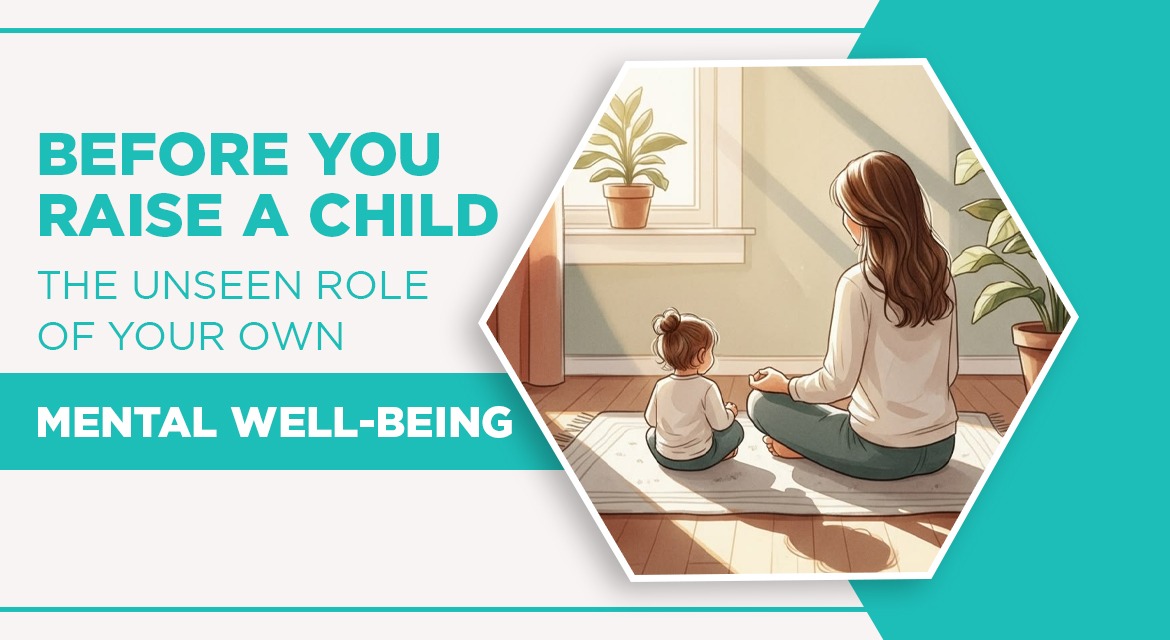
  • How Parents Can Recognize and Combat Caregiver Burnout

    How Parents Can Recognize and Combat Caregiver Burnout

    It’s 10 p.m. The kids are finally asleep, the house is quiet, and yet instead of feeling relief, you feel utterly drained. Tomorrow’s to-do list is already swirling in your mind, and you catch yourself thinking:

    “Why am I this tired when I didn’t even get everything done today?”

    If this feels familiar, you’re not alone. Many parents experience caregiver burnout, that deep exhaustion that comes from giving so much of yourself to your family without enough time to recharge. And here’s the truth: feeling burnt out doesn’t mean you’re a bad parent. It simply means you’ve been giving beyond your capacity.

    What Is Caregiver Burnout?

    Caregiver burnout is a state of physical, emotional, and mental exhaustion that goes beyond everyday tiredness. Parents often describe it as running on autopilot, moving from task to task without much joy or energy.

    Common feelings include:

    • “I’m always snapping at my kids.”
    • “I can’t remember the last time I felt rested.”
    • “I love my children, but I don’t feel like myself anymore.”

    These aren’t signs of failure. They’re signals that you need care, too.

    Signs of Caregiver Burnout

    • Constant fatigue that doesn’t improve with sleep.
    • Irritability or mood swings, snapping over small things.
    • Loss of joy in activities you used to love.
    • Difficulty focusing or frequent forgetfulness.
    • Physical issues like headaches, muscle tension, or frequent illness.
    • Feelings of guilt or inadequacy, believing you’re “not enough.”

    If you notice several of these signs, it may be more than just temporary fatigue, it could be caregiver burnout.

    Recognizing these signs is the first step toward healing.

    Why Parents Experience Burnout

    There are many reasons why parents reach this breaking point:

    • High Expectations: Striving for “perfect parenting” creates unrealistic pressure.
    • Lack of Support: Single parents or those without extended family nearby may feel alone.
    • Financial Strain: Managing household expenses while raising children adds stress.
    • Cultural and Generational Pressures: Parents from multicultural backgrounds may face additional expectations from family or community.

    Recognizing these stressors helps parents understand that burnout is not a personal failure; it’s a natural response to overwhelming demands.

    Practical Ways to Combat Caregiver Burnout

    1. Give Yourself Permission to Rest
      Self-care doesn’t have to be a big event. Five quiet minutes in the car, a short walk, or enjoying a cup of tea in peace can make a difference.
    2. Lower the Bar on Perfection
      Your worth isn’t measured by spotless dishes or folded laundry. Choosing peace over perfection benefits everyone in your home.
    3. Ask for Help (and Accept It)
      Parenting was never meant to be done alone. Whether it’s a partner, a trusted friend, or a childcare swap, support is not a sign of weakness; it’s a sign of strength.
    4. Stay Connected with Other Adults
      Parenting can feel isolating. Keep your support circle alive through phone calls, coffee dates, or therapy sessions.
    5. Protect Your Energy with Boundaries
      It’s okay to say no to extra commitments that stretch you too thin. Guarding your time and energy is a form of love for yourself and your family.
    6. Seek Professional Support
      If burnout feels overwhelming, therapy provides a safe and nonjudgmental space to process your feelings and regain balance. Explore coping strategies and rebuild resilience. At Horizon Healing, I use approaches like CBT, solution-focused therapy, and mindfulness to support parents through burnout.

    A Gentle Reminder for Parents

    Parenting asks for everything: your love, time, and energy. If you feel worn down, it doesn’t mean you’re failing. It means you’ve been giving endlessly, often without pausing to refill your own cup.

    Remember: caring for yourself is not selfish. It’s one of the most powerful gifts you can give your family.

    Support for Parents at Horizon Healing Psychotherapy

    If you recognize yourself in these words, you don’t have to keep pushing through alone. At Horizon Healing Psychotherapy, we support parents in navigating caregiver burnout, finding balance, and reconnecting with themselves.

    Reach out today to book a session with Sadaf, Registered Psychotherapist (Qualifying), and take the first step toward healing for you and your family.

    • Psychotherapy sessions are virtual( meet from the comfort of your home) 
    • Timings: 10 am-3:30 pm. Evenings are available from 6pm to 10pm with a time/day consultation.
    • some weekends available on request.

    NewsLetter

    Feel Free to reach out if you want to collaborate with us, or simply have a chat.
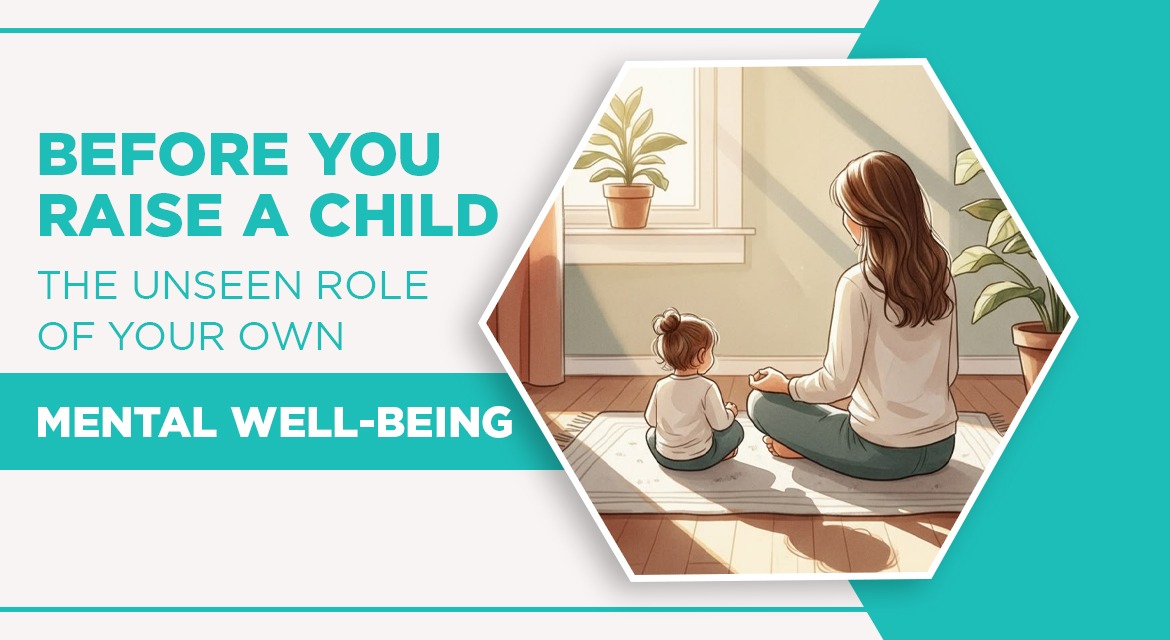
  • Therapy for Parenting Stress: A Guide for Families Feeling Overwhelmed

    Therapy for Parenting Stress: A Guide for Families Feeling Overwhelmed

    Parenting is often described as one of life’s greatest joys, but it’s also one of its greatest challenges. Between sleepless nights, endless to-do lists, and the pressure to “get it right,” many parents find themselves feeling overwhelmed, anxious, or even defeated.

    If you’ve ever thought, “I love my children, but this feels like too much,” you’re not alone. Parenting stress is incredibly common, and it doesn’t mean you’re failing. It means you’re human.

    The good news? Support is available. Therapy can help parents and families navigate stress, manage emotions, and find a healthier balance.

    What Does Parenting Stress Look Like?

    Parenting stress can show up in many ways, and it often goes unnoticed until it feels overwhelming. Some common signs include:

    • Feeling irritable or snapping more easily than usual
    • Struggling to concentrate or feeling mentally foggy
    • Exhaustion, even after sleeping
    • A constant sense of being “on edge”
    • Feeling disconnected from your partner, children, or yourself
    • Guilt for not being the “perfect parent”

    Every parent experiences stressful moments, but when stress becomes constant, it can take a toll on your emotional and physical health, as well as your family relationships.

    The Impact of Parenting Stress on Families

    Unchecked stress doesn’t just stay with the parent; it ripples through the entire family system. Children may sense parental frustration and respond with anxiety, acting out, or withdrawing emotionally. Couples may find themselves disconnected, and family routines can quickly spiral into chaos.

    The longer stress goes unmanaged, the higher the risk of burnout, anxiety, and depression. That’s why it’s so important to recognize when stress feels unmanageable and take steps toward healing.

    How Therapy Helps Parents Manage Stress

    Therapy provides a safe, nonjudgmental space to process your emotions and develop practical coping tools. For parents, this often means:

    1. Understanding Triggers
      Identifying what’s fueling your stress, whether it’s lack of sleep, financial worries, co-parenting challenges, or unrealistic expectations, can be the first step toward change.
    2. Building Emotional Resilience
      Therapists help parents strengthen their coping skills so they can respond calmly, even in high-stress moments (like tantrums or endless bedtime battles).
    3. Improving Communication
      Parenting stress often strains relationships with partners, co-parents, and children. Therapy can support healthier communication patterns that reduce conflict and increase connection.
    4. Restoring Balance
      Therapy encourages parents to set boundaries, ask for support, and integrate self-care without guilt. This balance allows you to show up with more patience, energy, and love.

    A Human Reminder for Parents

    If you’re struggling, please remember this: you’re not alone, and nothing is “wrong” with you. Parenting is hard work, harder than most people talk about.

    Seeking help through therapy isn’t a sign of weakness; it’s an act of strength. It shows you care deeply about your own well-being and your family’s.

    Support for Families at Horizon Healing Psychotherapy

    At Horizon Healing Psychotherapy, we help parents and families navigate the emotional challenges of raising children. Together, we’ll work to reduce stress, strengthen resilience, and bring more balance back into your home.

    Book a session today with Sadaf, Registered Psychotherapist (Qualifying), and take the first step toward calmer, more connected parenting.

    • Psychotherapy sessions are virtual( meet from the comfort of your home) 
    • Timings: 10 am-3:30 pm. Evenings are available from 6pm to 10pm with a time/day consultation.
    • some weekends available on request.

    NewsLetter

    Feel Free to reach out if you want to collaborate with us, or simply have a chat.

  • Anxiety Therapy: How Therapy Can Help You Regain Control

    Anxiety Therapy: How Therapy Can Help You Regain Control

    Anxiety can be overwhelming. It affects how you think, feel, and interact with the world around you. Whether it’s a constant worry, racing thoughts, or physical tension, living with anxiety can make everyday life feel exhausting. At Horizon Healing Psychotherapy, we understand the emotional toll anxiety takes, and we’re here to help you find relief through compassionate, evidence-based therapy.

    What Is Anxiety?

    Anxiety is more than just feeling nervous before a big event. It’s a persistent feeling of worry, fear, or unease, sometimes without a clear cause. Everyone experiences anxiety differently, but common symptoms include:

    • Racing thoughts or constant overthinking
    • Difficulty concentrating or relaxing
    • Physical symptoms like chest tightness, nausea, or restlessness
    • Trouble sleeping or fatigue
    • Avoidance of social situations or responsibilities

    While some anxiety is normal, chronic or intense anxiety can interfere with your daily life, relationships, and overall well-being.

    Types of Anxiety We Treat

    • Generalized Anxiety Disorder (GAD)
    • Social Anxiety
    • Panic Attacks / Panic Disorder
    • Health Anxiety
    • Work-related stress or burnout
    • Teenage Anxiety (whether it’s related to performance, peer pressure, or identity)
    • Anxiety linked to cultural, immigration, or life transitions

    How Therapy Helps with Anxiety

    Therapy is a safe, non-judgmental, and confidential space where you can explore your thoughts, feelings, and behaviours. Working with a licensed psychotherapist like Sadaf Khan, you’ll learn how to:

    • Identify and challenge anxious thought patterns
    • Regulate your nervous system using mindfulness and grounding techniques
    • Build healthy coping skills
    • Reconnect with your values and strengths
    • Face fears in manageable, supported steps

    Therapy isn’t about “fixing” you; it’s about empowering you to feel more confident, calm, and in control of your life.

    Our Therapeutic Approach

    We use evidence-based modalities tailored to your needs, including but not limited to:

    • Cognitive Behavioural Therapy (CBT) – Helps you reframe negative thoughts and change unhelpful behaviour patterns.
    • Acceptance and Commitment Therapy (ACT) – Helps you accept difficult emotions while staying aligned with your values.
    • Mindfulness and Psychoeducation – Builds your awareness and helps you understand your body’s response to anxiety.

    We are mindful of diverse cultural backgrounds, identities, and life circumstances to create a personalized and respectful therapeutic experience.

    Therapy for Adults, Teens & Children

    Anxiety doesn’t just affect adults. We offer age-appropriate therapy for:

    • Teens dealing with academic pressure, bullying, or identity stress
    • Children struggling with separation anxiety or school anxiety
    • Adults facing work burnout, parenting challenges, or life transitions

    Whether you’re a parent seeking help for your child or an adult feeling overwhelmed, our sessions are designed to meet you where you are.

    Located in Canada, Serving You Wherever You Are

    We offer virtual sessions across Canada from the comfort of your home. You don’t have to navigate anxiety alone; we’re here to support you with compassion and expertise.

    Is It Time to Reach Out?

    If you’re:

    • Struggling to manage daily stress
    • Avoiding things you used to enjoy
    • Constantly overwhelmed or physically tense

    …then it may be time to try anxiety therapy.

    Ready to Take the First Step

    Horizon Healing Psychotherapy is here to help. Book your first session with Sadaf Khan, a Registered psychotherapist (Qualifying) in Canada who understands the emotional weight of anxiety and will walk alongside you on your journey to healing.

    +1 416 827 6502 to schedule a free consultation or book a session.

    • Psychotherapy sessions are virtual( meet from the comfort of your home) 
    • Timings: 10 am-3:30 pm. Evenings are available from 6pm to 10pm with a time/day consultation.
    • some weekends available on request.

    NewsLetter

    Feel Free to reach out if you want to collaborate with us, or simply have a chat.

  • Cognitive Behavioural Therapy (CBT): Who Needs It & Why It Works

    Cognitive Behavioural Therapy (CBT): Who Needs It & Why It Works

    Mental health challenges can often feel like a confusing loop, where your thoughts affect your emotions, your emotions impact your actions, and your actions sometimes reinforce your negative thoughts. Cognitive Behavioural Therapy (CBT) is a structured, evidence-based approach that helps break this cycle, offering clarity, relief, and lasting change.

    At Horizon Healing Psychotherapy, CBT is one of the core approaches we use to support clients struggling with anxiety, depression, trauma, and more. In this post, we’ll walk you through what CBT is, who it’s for, and why so many people find it life-changing.

    What Is Cognitive Behavioural Therapy?

    Cognitive Behavioural Therapy is a structured, goal-oriented type of talk therapy. It emphasizes identifying unhelpful patterns in your thoughts (cognitions) and behaviours, and replacing them with healthier, more realistic alternatives.

    The core idea is simple:

    “Change your thoughts to change your life.”

    With the help of guided CBT interventions, you can learn how your thoughts, feelings, and behaviours are interconnected. By examining and challenging negative thinking patterns, you can begin to respond to situations in more balanced and constructive ways.

    Who Can Benefit from CBT?

    CBT has been proven effective for a wide range of emotional and psychological issues. It’s not just for people in crisis; it can help anyone who feels stuck in certain patterns of thinking or reacting.

    CBT Can Help If You’re Struggling With:

    • Anxiety (social anxiety, panic attacks, exam anxiety, relationship anxiety and more)
    • Depression or low mood
    • Stress and overwhelm
    • Negative self-talk or low self-esteem
    • Obsessive-compulsive tendencies (OCD)
    • Perfectionism and fear of failure
    • Trauma and PTSD
    • Work burnout or decision paralysis
    • Phobias or irrational fears
    • Teenage struggles

    We also offer CBT for children and teens, especially those struggling with academic stress, social anxiety, peer connections, or behavioural challenges.

    Why Do People Choose CBT?

    Here’s why so many clients in Canada (and worldwide) find CBT helpful and empowering:

    1. It’s Practical and Structured – CBT doesn’t just focus on your past; it gives you tools to manage your present. You’ll leave each session with strategies you can apply right away. It’s a way forward.
    2. It’s Backed by Science – CBT is one of the most researched and evidence-based forms of therapy. It’s recommended by health authorities, such as the Canadian Psychological Association and the World Health Organization.
    3. It Puts You in the Driver’s Seat – CBT is collaborative. You’re not just talking about your problems; you’re actively working with your therapist to overcome them. You work at your own pace and your way. That’s empowering.
    4. It Builds Long-Term Skills – Instead of offering a “quick fix,” CBT helps you develop lifelong coping strategies that reduce emotional distress and improve your overall resilience.

    What Happens in a CBT Session?

    During CBT sessions at Horizon Healing Psychotherapy, here’s what you can expect:

    • You and your therapist identify a specific issue you want to work on (e.g., “I feel anxious in social situations”).
    • You explore the thoughts and beliefs that arise in those moments.
    • You learn how to challenge negative or distorted thinking patterns.
    • You develop new behaviours and test out healthier ways of thinking and reacting.
    • You set SMART and realistic goals. SMART goals help structure behaviour change, promote motivation, and track progress, key elements in CBT.
    • You track progress and adjust your strategies as needed.

    We personalize every CBT plan to your unique goals, personality, and pace.

    CBT with a Culturally Sensitive Lens

    At Horizon Healing Psychotherapy, Sadaf Khan brings a compassionate and culturally-aware approach to CBT. We recognize that your experiences, whether related to cultural identity, parenting, or generational dynamics, play a crucial role in your thought patterns.

    We don’t just apply CBT rigidly. We help you to adapt it to your life, values, and background.

    Available Across Canada (Virtual)

    Our CBT sessions are available online through HIPAA-compliant software Jane, highly confidential. Your safety is our priority. We believe that therapy should fit your schedule, not the other way around.

    Is CBT Right for You?

    If you’re:

    • Struggling with anxiety, depression, or panic attacks.
    • Dealing with negative thinking patterns that impact your mood or behaviour.
    • Looking for practical, goal-oriented strategies to manage challenges.
    • Interested in learning skills to cope with stress, worry, or low self-esteem.
    • Facing relationship difficulties or wanting to improve communication.
    • Trying to overcome phobias, OCD, or social anxiety.
    • Managing symptoms of PTSD or trauma-related stress.
    • Wanting to change unhelpful habits or behaviours.
    • Seeking a structured, time-limited approach to therapy.
    • Ready to be actively involved in your mental health progress.

    …then Cognitive Behavioural Therapy could be the next step in your healing journey.

    When are you Ready to start CBT Therapy?

    We’re here to support you with warmth, skill, and evidence-based care at Horizon Healing Psychotherapy.

    Book your free 20-minute consultation today and explore how CBT can help you feel more grounded, clear, and confident.

    • Psychotherapy sessions are virtual( meet from the comfort of your home) 
    • Timings: 10 am-3:30 pm. Evenings are available from 6pm to 10pm with a time/day consultation.
    • some weekends available on request.

    NewsLetter

    Feel Free to reach out if you want to collaborate with us, or simply have a chat.