Category: Uncategorized

  • Postpartum Mental Health: Signs, Causes, and Therapy Support for New Mothers

    Postpartum Mental Health: Signs, Causes, and Therapy Support for New Mothers

    Postpartum Mental Health: Signs, Causes, and Therapy Support for New Mothers

    Welcoming a new baby into the world is often described as one of the happiest moments in life. While this time can be filled with love and connection, the postpartum period is also one of the most emotionally and physically demanding transitions a woman can experience.

    Many mothers experience emotional ups and downs after childbirth. Hormonal changes, physical recovery, sleep deprivation, and adjusting to a completely new role can place enormous pressure on mental well-being.

    For some mothers, these emotional changes are temporary. For others, they can develop into more serious conditions such as postpartum depression or postpartum anxiety.

    Understanding postpartum mental health, including the warning signs, causes, and available support, can help mothers and families navigate this challenging time with compassion and confidence.

    What Is Postpartum Mental Health?

    Postpartum mental health refers to a mother’s emotional and psychological wellbeing after childbirth. While many people assume the postpartum period only lasts a few weeks, emotional adjustments can continue for months or even years after giving birth.

    During this time, women may experience a wide range of emotional changes due to:

    • Major hormonal shifts
    • Physical recovery from pregnancy and childbirth
    • Sleep deprivation
    • Lifestyle adjustments
    • Increased responsibilities

    While emotional fluctuations are normal, persistent feelings of sadness, anxiety, or emotional disconnection may indicate a postpartum mental health condition.

    Common postpartum mental health conditions include:

    • Postpartum depression
    • Postpartum anxiety
    • Birth trauma or postpartum PTSD
    • Postpartum adjustment difficulties

    These conditions are medical and psychological experiences, not personal failures or signs of weakness.

    The “Baby Blues”: A Common Early Experience

    Many mothers experience what is commonly called the baby blues during the first days after childbirth.

    Baby blues typically appear within the first few days after delivery and may last up to two weeks.

    Common symptoms include:

    • Mood swings
    • Tearfulness
    • Irritability
    • Feeling overwhelmed
    • Difficulty sleeping
    • Increased emotional sensitivity

    Baby blues are extremely common and usually resolve naturally. However, when symptoms last longer than two weeks or become more intense, it may be a sign of postpartum depression or anxiety.

    Recognizing this difference is important so mothers can receive the support they need.

    Signs of Postpartum Depression and Anxiety

    Postpartum mental health challenges can appear in many different ways. Some mothers may feel persistent sadness, while others may experience overwhelming anxiety.

    Emotional Signs

    Emotional symptoms may include:

    • Persistent sadness or emptiness
    • Frequent crying
    • Feeling disconnected from the baby
    • Loss of interest in activities once enjoyed
    • Feelings of guilt, hopelessness, or worthlessness

    Anxiety-Related Symptoms

    Postpartum anxiety is also common and may include:

    • Constant worry about the baby’s health or safety
    • Racing or intrusive thoughts
    • Panic attacks
    • Difficulty relaxing or sleeping
    • Fear of being alone with the baby

    Physical and Behavioural Symptoms

    Mental health challenges can also affect physical wellbeing and daily functioning:

    • Extreme fatigue beyond normal sleep deprivation
    • Changes in appetite
    • Difficulty concentrating
    • Withdrawal from loved ones
    • Trouble bonding with the baby

    Urgent Warning Signs

    Some symptoms require immediate professional help.

    These include:

    • Thoughts of harming yourself
    • Thoughts of harming your baby
    • Feeling that your family would be better off without you

    If these feelings occur, seeking professional support immediately is essential.

    Why Postpartum Mental Health Challenges Happen

    Postpartum mental health conditions rarely have a single cause. Instead, they usually result from a combination of biological, emotional, and social factors.

    Common contributing factors include:

    Hormonal Changes

    After childbirth, estrogen and progesterone levels drop rapidly, which can significantly affect mood regulation.

    Physical Recovery

    Childbirth can involve physical pain, surgical recovery, or complications that increase emotional stress.

    Sleep Deprivation

    New mothers often experience severe sleep disruption, which strongly impacts emotional wellbeing.

    Birth Trauma

    Difficult deliveries, emergency procedures, or unexpected complications can leave emotional scars.

    Previous Mental Health History

    Women who have experienced depression or anxiety before pregnancy may have a higher risk of postpartum mental health challenges.

    Lack of Support

    Limited emotional or practical support can increase feelings of overwhelm.

    It is important to remember that postpartum mental health struggles are not caused by poor parenting or personal weakness.

    Why Early Support Matters

    Many mothers hesitate to ask for help because they feel pressure to appear happy or capable during motherhood.

    However, untreated postpartum mental health challenges can affect:

    • Mother-child bonding
    • Relationship health
    • Family wellbeing
    • Long-term emotional health

    Seeking help early can shorten recovery time and reduce emotional suffering.

    With the right support, many mothers begin to feel better much sooner than they expect.

    How Therapy Can Support Postpartum Healing

    Professional therapy provides a safe and supportive space where mothers can speak openly about their emotions without fear of judgment.

    Therapy for postpartum mental health can help mothers:

    • Understand their emotional experiences
    • Develop coping strategies for anxiety and low mood
    • Process birth trauma
    • Strengthen bonding with their baby
    • Reduce guilt and self-criticism
    • Improve communication with partners
    • Rebuild confidence and identity

    Healing does not mean becoming a perfect mother. It means becoming a supported and emotionally healthy parent.

    Practical Ways Mothers Can Support Their Mental Health

    While professional help is important, small daily steps can also support emotional wellbeing.

    Helpful strategies include:

    • Talking openly with a trusted friend or partner
    • Accepting help with household tasks
    • Resting whenever possible
    • Eating regular meals and staying hydrated
    • Spending time outdoors
    • Limiting social comparison on social media

    Even small acts of self-care can make a meaningful difference.

    Postpartum Mental Health Support in Ontario

    Many mothers across Ontario experience postpartum mental health challenges but may not know where to find support.

    Working with a licensed therapist experienced in postpartum mental health can help mothers navigate this transition with understanding and compassion.

    At Horizon Healing Psychotherapy, therapy is designed to support mothers experiencing:

    • Postpartum depression
    • Postpartum anxiety
    • Emotional overwhelm
    • Adjustment difficulties after childbirth

    The clinic provides a safe and culturally sensitive environment where mothers can feel heard, supported, and empowered.

    If you or someone you love is struggling after childbirth, professional help is available.

    👉 https://horizonhealingpsychotherapy.ca/

    Final Thoughts

    Motherhood is a powerful life transition, and emotional challenges during the postpartum period are more common than many people realize.

    Postpartum mental health deserves understanding, compassion, and proper support.

    With the right care, healing is possible. Confidence can return. Joy can grow again.

    And mothers can move forward feeling stronger, calmer, and more connected to themselves and their families.

    • Psychotherapy sessions are virtual( meet from the comfort of your home) 
    • Timings: 10 am-3:30 pm. Evenings are available from 6pm to 10pm with a time/day consultation.
    • some weekends available on request.

    NewsLetter

    Feel Free to reach out if you want to collaborate with us, or simply have a chat.

  • Therapy for Mothers: Support Before, During, and After Birth

    Therapy for Mothers: Support Before, During, and After Birth

    Therapy for Mothers: Support Before, During, and After Birth

    Motherhood is often described as one of life’s most joyful experiences, yet it can also be emotionally overwhelming, physically exhausting, and mentally challenging. From pregnancy anxiety to postpartum mood changes and the long-term emotional adjustments of parenting, mothers go through a profound transformation that deserves care, understanding, and professional support.

    Therapy can provide a safe space for mothers to navigate this journey with confidence, resilience, and emotional balance. Whether before birth, during pregnancy, or after delivery, mental health support plays a vital role in both a mother’s well-being and her child’s development.

    Why Maternal Mental Health Matters

    A mother’s mental health affects not only her own quality of life but also her relationships, bonding with her baby, and family stability. Many women experience emotional challenges during the perinatal period, yet these struggles are often minimized or misunderstood.

    Common experiences include:

    • Anxiety about pregnancy or childbirth
    • Fear of being an “imperfect” mother
    • Mood swings or emotional sensitivity
    • Relationship stress or identity changes
    • Sleep deprivation and exhaustion
    • Postpartum sadness, depression, or intrusive thoughts

    These feelings are more common than most mothers realize. Seeking therapy is not a sign of weakness it is a step toward strength, healing, and healthier parenting.

    Support Before Birth: Preparing Emotionally for Motherhood

    Pregnancy brings anticipation, excitement, and sometimes uncertainty. Therapy during pregnancy can help mothers prepare mentally and emotionally for the life changes ahead.

    Therapy before birth can help with:

    • Managing pregnancy anxiety and fears about delivery
    • Coping with past trauma or difficult birth experiences
    • Adjusting to body image and identity changes
    • Navigating relationship shifts with partners or family
    • Preparing emotionally for parenting responsibilities

    This stage is an opportunity to build emotional tools that will support mothers once the baby arrives.

    Support During Pregnancy: Navigating Emotional Changes

    Hormonal changes, physical discomfort, and lifestyle adjustments can affect emotional wellbeing during pregnancy. Some mothers may experience persistent worry, mood swings, or stress about the future.

    Therapy during pregnancy provides:

    • A safe, non-judgmental space to talk openly
    • Tools for managing stress and anxiety
    • Strategies for emotional regulation
    • Guidance for maintaining healthy relationships
    • Support for high-risk pregnancies or medical concerns

    Mental health care during pregnancy helps mothers feel more grounded, prepared, and confident.

    Support After Birth: Healing in the Postpartum Period

    The postpartum phase is one of the most emotionally complex times in a mother’s life. While some women experience only mild mood changes, others may struggle with more serious challenges such as postpartum depression, anxiety, or emotional detachment.

    Therapy after birth helps mothers:

    • Understand and manage postpartum depression symptoms
    • Cope with anxiety, panic, or intrusive thoughts
    • Process difficult or traumatic birth experiences
    • Adjust to sleep deprivation and routine changes
    • Rebuild confidence in parenting abilities
    • Maintain a sense of identity beyond motherhood

    Early support can prevent emotional struggles from becoming long-term difficulties.

    Beyond Birth: Long-Term Emotional Support for Mothers

    Mental health support does not end after the newborn stage. Many mothers continue to face emotional challenges months or even years after childbirth.

    Therapy beyond birth can support mothers with:

    • Parenting stress and burnout
    • Work-life balance struggles
    • Relationship and family pressures
    • Loss of personal identity or independence
    • Emotional exhaustion or guilt

    Ongoing therapy helps mothers maintain resilience and emotional wellbeing as their families grow.

    Signs a Mother May Benefit from Therapy

    Mothers should consider professional support if they experience:

    • Persistent sadness or emotional numbness
    • Intense anxiety or racing thoughts
    • Difficulty bonding with the baby
    • Feelings of guilt, shame, or inadequacy
    • Frequent irritability or emotional outbursts
    • Loss of interest in daily life
    • Trouble sleeping even when exhausted

    Seeking help early can make recovery faster and smoother.

    How Therapy Empowers Mothers

    Therapy provides more than symptom relief it empowers mothers to thrive.

    It helps women:

    ✔ Build emotional resilience
    ✔ Improve communication with partners and family
    ✔ Strengthen attachment with their child
    ✔ Reduce stress and overwhelm
    ✔ Develop self-compassion and confidence
    ✔ Reconnect with their personal identity

    When mothers feel supported, families become stronger.

    Professional Support for Mothers at Horizon Healing Psychotherapy

    At Horizon Healing Psychotherapy, mothers receive compassionate, culturally sensitive, and evidence-based mental health support tailored to each stage of motherhood. The clinic offers therapy for pregnancy anxiety, postpartum emotional challenges, parenting stress, and long-term maternal well-being.

    Their approach focuses on creating a safe, supportive environment where mothers feel heard, understood, and empowered to heal.

    If you or someone you know could benefit from professional support, you can learn more about available services by visiting:
     https://horizonhealingpsychotherapy.ca/

    Reaching out for help is one of the most caring decisions a mother can make for herself and her family.

    Final Thoughts

    Motherhood is not meant to be navigated alone. While it brings deep love and meaning, it also requires emotional strength and support. Therapy offers mothers the tools to manage challenges, embrace growth, and experience motherhood with greater balance and confidence.

    Because every mother deserves care, too.


    • Psychotherapy sessions are virtual( meet from the comfort of your home) 
    • Timings: 10 am-3:30 pm. Evenings are available from 6pm to 10pm with a time/day consultation.
    • some weekends available on request.

    NewsLetter

    Feel Free to reach out if you want to collaborate with us, or simply have a chat.

  • Emotional First Aid: How Therapy Teaches Children to Navigate Big Feelings

    Emotional First Aid: How Therapy Teaches Children to Navigate Big Feelings

    Emotional First Aid: How Therapy Teaches Children to Navigate Big Feelings

    When a child scrapes their knee or bumps their head, we know exactly what to do. We reach for the “First Aid” kit, cleaning the wound, applying a bandage, and offering a comforting hug. We treat these physical injuries with urgency and care because we know that unattended wounds can become infected.

    However, when a child experiences a “scraped” heart or an “injured” ego moments of intense rejection, overwhelming anxiety, or crushing sadness, the path to healing is often less clear. These are what we call Big Feelings. Without the right tools, these emotional wounds can fester, manifesting as behavioural outbursts, withdrawal, or chronic anxiety. This is where the concept of Emotional First Aid becomes essential.

    At Horizon Healing Psychotherapy, we view child therapy not just as a way to “fix” a problem, but as a way to provide children with a mental health first aid kit they can carry for the rest of their lives.

    Understanding the “Big Feeling” Brain

    To help a child navigate intense emotions, we must first understand what is happening inside their developing brain. When a child experiences a Big Feeling, such as a surge of anger because they lost a game, their amygdala (the brain’s emotional alarm system) takes over. This triggers a “fight, flight, or freeze” response.

    Because the prefrontal cortex, the part of the brain responsible for logic and impulse control is still under construction, children literally cannot “think” their way out of an emotional storm. They are hijacked by their biology. Therapy provides a bridge between these two parts of the brain, teaching children how to soothe the alarm system so the logical brain can come back online.

    The Pillars of Emotional First Aid in Therapy

    In a therapeutic setting, we teach children specific, actionable skills to manage their internal world. Here are the core pillars of Emotional First Aid that we focus on:

    1. Identification: Scanning for the “Injury.”

    Just as you must find where a cut is located to treat it, a child must learn to locate their feelings. We help children move beyond “I’m bad” or “I’m mad” to identifying the physical sensations of emotion.

    • Does your tummy feel tight?
    • Are your hands clenched like a fist?
    • Is there a “heavy” feeling in your chest?

    By identifying the physical injury, the emotion becomes less of a vague monster and more of a manageable signal.

    1. Validation: The “Antiseptic” of the Soul

    Validation is the most powerful tool in the emotional first aid kit. In therapy, children learn that all feelings are valid, even if all behaviors are not. When a therapist or a parent says, “It makes sense that you feel frustrated that the game ended,” it acts as an antiseptic. It stops the “infection” of shame. When a child feels understood, their nervous system begins to de-escalate automatically.

    1. De-escalation: Stopping the “Bleeding.”

    When a child is in the middle of an emotional outburst, they need immediate tools to stop the emotional bleeding. In therapy, we practice “bottom-up” regulation strategies, such as:

    • Box Breathing: Visualizing a square while inhaling, holding, exhaling, and holding.
    • The 5-4-3-2-1 Technique: Finding five things they can see, four they can touch, three they can hear, two they can smell, and one they can taste to ground them in the present moment.
    • Heavy Work: Using physical resistance, like pushing against a wall, to help reset the nervous system.
    1. Cognitive Reframing: Applying the “Bandage.”

    Once the child is calm, therapy helps them look at the situation differently. This isn’t about “positive thinking”; it’s about accurate thinking. If a child thinks, “Nobody likes me because I wasn’t invited to the party,” we help them apply a cognitive bandage: “I’m sad I wasn’t invited, but I have three good friends with whom I played yesterday.”

    How Therapy Empowers the Family

    Emotional First Aid is not a skill learned in isolation. At Horizon Healing Psychotherapy, we believe the family is the primary healing environment. Therapy for children often involves coaching parents on how to be the “First Aid Responders” at home.

    • The “Wait and See” vs. Proactive Approach: Many parents wonder if their child will simply grow out of their big feelings. While emotional maturity does come with age, the skills to manage stress do not happen by accident. By engaging in therapy early, families prevent the scrapes of childhood from becoming the scars of adulthood.
    • Building Resilience: Resilience isn’t the absence of stress; it’s the ability to navigate it. When a child learns Emotional First Aid, they stop fearing their emotions. They realize that while a Big Feeling might be uncomfortable, it is temporary and survivable.

    When Should You Seek “Professional” First Aid?

    While parents are the first line of defence, some emotional wounds require a specialist. You might consider therapy for your child if:

    1. Their Big Feelings are interfering with school or friendships.
    2. The frequency and intensity of outbursts are increasing rather than decreasing.
    3. The child seems “stuck” in an emotion, such as constant worry or persistent sadness.
    4. Your usual parenting tools, time-outs, rewards, or talking no longer seem to work.

    Conclusion: A Toolkit for Life

    The goal of Emotional First Aid is not to create a child who never feels sad, angry, or scared. That would be impossible. Our goal is to create a child who knows what to do when those feelings arrive.

    At Horizon Healing Psychotherapy, we are dedicated to helping your child build their unique toolkit. By teaching them to identify, validate, and regulate their emotions today, we are ensuring they have the mental health foundations to lead a fulfilling, resilient life tomorrow.

    No wound is too small to care for, and no feeling is too big to handle with the right support.

    Sadaf Khan is a Licensed Psychotherapist and the Founder of Horizon Healing Psychotherapy. She specializes in helping families navigate the complexities of childhood emotions through a compassionate, evidence-based lens.

    Are you ready to help your child build their emotional first aid kit? Contact Horizon Healing Psychotherapy today to begin the journey toward a calmer, more resilient home.

    • Psychotherapy sessions are virtual( meet from the comfort of your home) 
    • Timings: 10 am-3:30 pm. Evenings are available from 6pm to 10pm with a time/day consultation.
    • some weekends available on request.

    NewsLetter

    Feel Free to reach out if you want to collaborate with us, or simply have a chat.
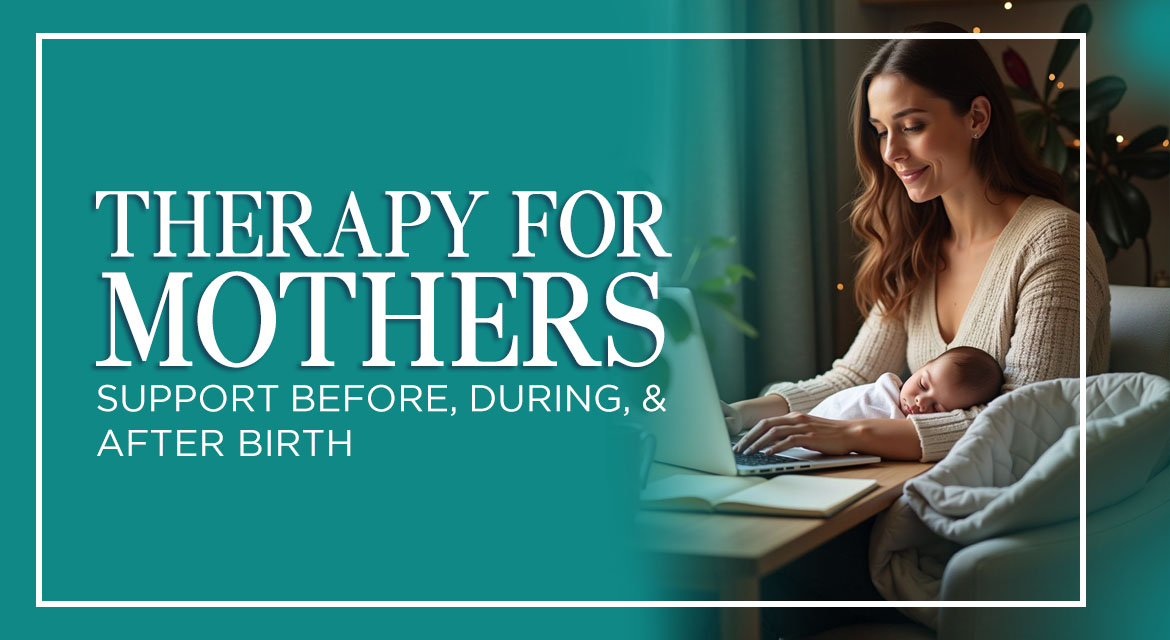
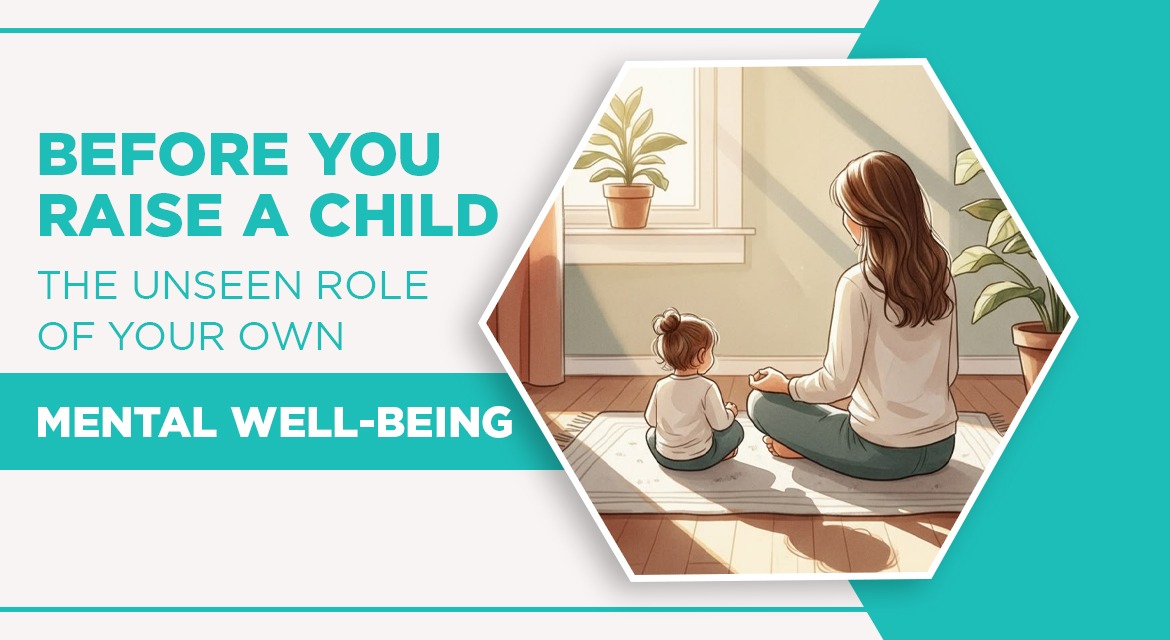
  • Before You Raise a Child: The Unseen Role of Your Own Mental Well-Being

    Before You Raise a Child: The Unseen Role of Your Own Mental Well-Being

    Before You Raise a Child: The Unseen Role of Your Own Mental Well-Being

    In many cultures, the image of the “self-sacrificing” parent is deeply admired. We often praise caregivers who devote their energy, time, and emotional capacity entirely to their children, sometimes at the expense of their own well-being. Parental exhaustion is often normalized, even revered as a sign of love and commitment. Yet while dedication is admirable, we must also respectfully question the belief that exhaustion is the measure of good parenting.

    At Horizon Healing Psychotherapy, we see the reality behind this myth. When parents neglect their own mental health, they carry what is called The Invisible Weight. The parent does not just feel this weight; it is felt by the child, echoed in the home’s atmosphere, and reflected in the family’s daily interactions. To put it simply: the most profound gift you can give your child is a healthy, regulated version of yourself.

    The Science of Co-Regulation

    To understand why your mental health is the foundation of your parenting, we have to look at co-regulation. Children, especially young ones, do not possess a fully developed nervous system. They lack the biological hardware to calm themselves down from high states of distress. Instead, they “borrow” the nervous system of their caregiver to find balance. This is a biological imperative.

    If a parent is chronically stressed, anxious, or depressed, their nervous system is in a state of “dysregulation.” When a child comes to a dysregulated parent with their own Big Feelings, there is no calm harbor for them to land in. Instead of the parent helping the child calm down, the child’s distress often heightens the parent’s stress, leading to a cycle of reactivity, shouting, or emotional withdrawal.

    When you prioritize your mental health, you are essentially upgrading the hardware your child relies on. You become a steady anchor, allowing them to learn how to navigate their own emotions by watching and feeling your calm.

    How “The Invisible Weight” Affects the Family

    When a parent is struggling physically and mentally, it manifests in ways that directly impact child development and behaviours:

    • Reduced Emotional Attunement: When parents’ minds are clouded by their own heavy thoughts, they often miss the subtle cues their children give them. They might overlook a “bid for connection” or misinterpret a child’s cry for help as mere “attention-seeking.”
    • Increased Reactivity: A parent carrying an invisible weight has a “short fuse.” Minor spills or typical childhood defiance feel like personal attacks, leading to over-corrections and a home environment governed by walking on eggshells.
    • The Guilt Gap: Mental health struggles often bring a sense of shame. Parents feel guilty for not being “happy enough,” which leads to overcompensating or withdrawing further. Both of these reactions can leave a child feeling confused or insecure.
    • Modelling “Burnout Culture”: Children learn how to treat themselves by watching how we treat ourselves. If they see us constantly stressed and neglecting our needs, they learn that self-neglect is the standard for adulthood.

    Breaking the Cycle: Healing the Parent to Help the Child

    Caring for your mental health is not a luxury; it is a foundational requirement for healthy, sustainable parenting. When a parent’s emotional well-being is supported, the entire family system benefits. Our structured therapeutic module is designed to gently ease that often invisible emotional weight, while helping you build a healthier model of parenting, one in which a parent’s mental health is not secondary, but central.

    Radical Self-Compassion

    The first step is shedding the shame. Parenting is objectively hard, and parenting while struggling with anxiety, depression, or trauma is an immense challenge. Acknowledge that your struggles do not make you a “bad parent.” They make you a human parent in need of support.

    Identifying Your Triggers

    Therapy helps parents identify which childhood behaviours trigger their own emotional wounds. Perhaps a child’s “talking back” triggers a memory of being silenced as a child. When you understand your triggers, you can pause before reacting, creating space for a more intentional response.

    Establishing Personal Boundaries

    You cannot pour from an empty cup. This means setting boundaries not just with your children, but with work, extended family, and your own expectations. It is okay to say, “Mommy needs ten minutes of quiet time so I can be a better listener when I come back.”

    Professional Support

    Sometimes, the weight is too heavy to lift alone. Therapy for parents provides a dedicated space to process your own history, manage current stressors, and learn regulation techniques. In my work at Horizon Healing Psychotherapy, I often find that as the parents’ mental health improves, the challenging behaviours of the child begin to soften naturally.

    The “Oxygen Mask” Reframe

    If you find it difficult to prioritize yourself for your own sake, do it for their sake. Think of your mental health as the environment your child grows in. Just as we ensure our children have clean air, nutritious food, and safe shelter, we must ensure they have a stable emotional climate. When you go to therapy, practice mindfulness, or take time for self-care, you are directly investing in your child’s resilience.

    A Note from Horizon Healing Psychotherapy

    If you feel like you are drowning in the demands of parenthood, or if you feel a persistent invisible weight that makes it hard to be the parent you want to be, please know that support is available.

    You do not have to wait for a crisis to seek help. Therapy is a proactive way to strengthen your family’s foundation. By healing yourself, you are stopping generational cycles of stress and giving your child the greatest gift possible: a parent who is present, regulated, and whole.

    At Horizon Healing, we specialize in supporting parents through the complexities of the caregiving journey. We provide a non-judgmental space to help you lift the weight and find your way back to a joyful, connected relationship with your family.

    To schedule a free 15-minute consultation call to discuss how we can support your parenting journey, contact us today.

    • Psychotherapy sessions are virtual( meet from the comfort of your home) 
    • Timings: 10 am-3:30 pm. Evenings are available from 6pm to 10pm with a time/day consultation.
    • some weekends available on request.

    NewsLetter

    Feel Free to reach out if you want to collaborate with us, or simply have a chat.

  • How Therapy Helps with Cultural and Generational Challenges

    How Therapy Helps with Cultural and Generational Challenges

    How Therapy Helps with Cultural and Generational Challenges

    The landscape of modern mental health is increasingly defined by the intersection of diverse identities. For many individuals and families, the struggles they face are not just personal or internal but are deeply rooted in the friction between different cultural values and generational expectations. Whether you are a first generation immigrant navigating life in a new country or a member of a family where traditional heritage clashes with modern Western ideals, these tensions can create a profound sense of isolation and emotional distress. Psychotherapy offers a transformative bridge in these scenarios, providing the tools and the safe environment necessary to reconcile these seemingly opposing worlds.

    Understanding the Roots of Cultural and Generational Conflict

    At the heart of many cultural and generational challenges is a fundamental difference in worldviews. Older generations often come from a “collectivist” background where the needs of the family and the community take precedence over the desires of the individual. In contrast, younger generations growing up in Western societies are often immersed in “individualistic” values that prioritize personal growth, autonomy, and self expression. When these two philosophies live under one roof, conflict is almost inevitable.

    Generational challenges are further complicated by the history of the family. Many families carry the weight of “generational trauma,” which consists of psychological patterns passed down from ancestors who survived war, poverty, or systemic oppression. These survival mechanisms, while once necessary, can become maladaptive in a peaceful or modern setting. For example, a grandparent’s tendency to remain silent about emotions may have been a survival tactic, but for a grandchild seeking emotional connection, that silence feels like rejection. Therapy helps families identify these invisible threads and understand that the “problem” behavior is often a historical echoes of a past struggle.

    The Role of the Therapist as a Cultural Mediator

    One of the most significant ways therapy helps is by positioning the therapist as a neutral mediator. In many traditional cultures, bringing outside help into family matters is seen as a sign of weakness or a betrayal of family privacy. However, a culturally competent therapist understands these nuances and works to build trust by validating the family’s heritage while introducing new ways of relating.

    The therapist acts as an emotional translator. They help family members see beyond the surface level arguments about clothing, career choices, or dating and help them uncover the underlying values. A parent might express anger about a child’s choice of partner, but through therapy, the family may discover that the root of the anger is actually a deep seated fear that the child will lose their cultural identity. By naming these fears, the family can address the actual issue rather than spiraling into endless cycles of circular arguments.

    Healing the Acculturation Gap

    For immigrant families, the “acculturation gap” is a primary source of stress. This occurs when children adapt to a new culture much faster than their parents. Children may become the “cultural brokers” for the family, handling adult responsibilities like translating legal documents or navigating school systems. While this can build resilience, it often leads to a phenomenon called “parentification,” where the child loses their sense of being cared for and the parent feels a loss of authority and respect.

    Therapy provides a space to re-establish healthy hierarchies. It allows parents to grieve the loss of the social standing they may have had in their home country while helping children express the pressure of living between two worlds. By addressing the acculturation gap, therapy helps the family move away from a “power struggle” and toward a partnership. The goal is to create a home environment that functions as a “third culture,” which is a unique blend of the family’s original heritage and the values of their current environment.

    Breaking the Cycle of Generational Trauma

    Generational challenges are often fueled by what remains unsaid. In many cultures, talking about mental health or past hardships is stigmatized. Therapy offers a professional and clinical framework that can make these conversations feel safer and more legitimate. By exploring family maps, also known as genograms, a therapist can help an individual see how patterns of anxiety, depression, or emotional volatility have been handed down through the ages.

    Breaking these cycles requires immense courage. Therapy provides the support system needed to say “the cycle stops with me.” It gives individuals the permission to set boundaries with family members who may be perpetuating toxic patterns, while also offering the empathy needed to understand that those family members are often acting out of their own unhealed wounds. This balanced approach prevents the individual from becoming the family “scapegoat” and instead empowers them to become a “cycle breaker.”

    Navigating Identity and Belonging

    A common struggle for those facing cultural challenges is the feeling of being “not enough.” They may feel too Western for their family and too traditional for their peers. This “identity suspension” can lead to chronic anxiety and a lack of self worth. Therapy helps individuals integrate these different parts of themselves. Instead of viewing their cultural background as a source of conflict, they learn to view it as a “bicultural” strength.

    Through narrative therapy techniques, individuals can rewrite the story of their lives. They move from a narrative of “being stuck between two worlds” to one of “having the richness of two perspectives.” This shift is vital for building a stable sense of self that is not dependent on external validation from either culture.

    Creating New Patterns of Communication

    Finally, therapy provides practical skills for everyday life. It teaches family members how to communicate across the generational divide without resorting to shame or guilt. In many households, “guilt tripping” is a standard form of communication used to maintain family cohesion. Therapy helps families replace these tactics with assertive communication and mutual respect.

    By practicing these conversations in the safety of a therapeutic office, family members can learn how to disagree without destroying their bond. They learn that setting a boundary is not an act of disrespect but an act of love that ensures the relationship can continue in a healthy way.

    Conclusion

    Cultural and generational challenges are deeply complex because they involve the very things that define us: our history, our family, and our values. However, these challenges do not have to result in the breakdown of the family unit. Through the guidance of a culturally sensitive therapist, these differences can be explored, understood, and eventually integrated.

    Therapy helps us honor the sacrifices of those who came before us while giving us the freedom to live authentically in the present. It transforms the “clash of cultures” into a dialogue of growth, ensuring that our heritage remains a source of pride rather than a source of pain. At Horizon Healing Psychotherapy, we are dedicated to helping you navigate these layers of identity to find peace and connection

    • Psychotherapy sessions are virtual( meet from the comfort of your home) 
    • Timings: 10 am-3:30 pm. Evenings are available from 6pm to 10pm with a time/day consultation.
    • some weekends available on request.

    NewsLetter

    Feel Free to reach out if you want to collaborate with us, or simply have a chat.

  • How Couples Therapy Helps New Parents Strengthen Their Relationship

    How Couples Therapy Helps New Parents Strengthen Their Relationship

    How Couples Therapy Helps New Parents Strengthen Their Relationship

    The transition into parenthood is often described as one of the most joyous milestones in a person’s life. However, behind the beautiful photos and the scent of newborn lotion lies a reality that is often physically exhausting and emotionally taxing. For many couples, the arrival of a baby acts as a seismic shift that alters the fundamental dynamics of their relationship. The shift from being a duo to a family unit requires a massive recalibration of roles, communication styles, and intimacy. This is where couples therapy becomes an invaluable resource, offering a structured and supportive environment to navigate these profound changes.

    The Hidden Strain of the Postpartum Period

    Even the strongest relationships can feel the weight of a new baby. The primary culprits are often sleep deprivation, a lack of personal time, and the sudden unequal distribution of household labor. When both partners are running on empty, patience wears thin and small misunderstandings can quickly escalate into significant conflicts. Many new parents find themselves trapped in a cycle of “roommate syndrome,” where their conversations revolve entirely around feeding schedules, diaper changes, and sleep training, leaving little room for the romantic connection they once shared.

    Couples therapy provides a dedicated space to address these issues before they become deeply rooted resentments. By working with a professional, parents can identify the specific stressors impacting their bond and develop a roadmap for navigating the “fourth trimester” and beyond. It allows couples to move away from blame and toward a collaborative approach to parenting.

    Improving Communication Under Pressure

    When you are exhausted, your ability to communicate effectively often plummets. Instead of expressing needs clearly, partners may resort to passive-aggressive comments or emotional withdrawal. A therapist acts as a neutral third party who can help decode these interactions. In therapy, couples learn how to use “I” statements to express their feelings without making their partner feel attacked. For instance, instead of saying “You never help with the baby,” a partner might learn to say “I feel overwhelmed and unsupported when I have to handle the evening routine alone.”

    This shift in communication is vital for long-term relationship health. It fosters an environment of safety where both individuals feel heard and validated. Learning these skills early in the parenting journey prevents the build-up of the “silent treatment” or explosive arguments that can create a rift between partners.

    Redefining Roles and Expectations

    One of the biggest hurdles for new parents is the adjustment of roles. Traditional or even egalitarian dynamics often shift unexpectedly once a child arrives. One partner might feel the heavy burden of primary caregiving, while the other might feel sidelined or pressured to be the sole financial provider. These unstated expectations are a breeding ground for frustration.

    Couples therapy encourages an open dialogue about these roles. Partners can sit down and literally map out the daily responsibilities to ensure a more equitable split. This isn’t just about chores; it is about “mental load”—the invisible labor of remembering doctor appointments, tracking milestones, and planning for the future. When both partners acknowledge and share this load, the feeling of “we are in this together” is restored.

    Rekindling Intimacy and Connection

    Intimacy often takes a backseat during the first year of a baby’s life. Physical exhaustion, hormonal changes, and the sheer demand of being “touched out” by a baby can make physical closeness feel like another chore. However, intimacy is the glue that holds a relationship together.

    A therapist helps couples navigate the delicate process of reconnecting physically and emotionally. This might involve setting realistic expectations for physical intimacy or finding new ways to show affection that don’t require immense energy. It also involves reclaiming the “couple identity.” Therapy reminds parents that while they are now a mother and a father, they are still partners first. Rebuilding this foundation ensures that the relationship thrives even as the demands of parenting evolve.

    Managing Extended Family Boundaries

    The arrival of a grandchild often brings in a wave of well-meaning but sometimes overbearing extended family members. Conflict regarding in-laws or differing parenting philosophies between grandparents and parents can put immense pressure on a couple.

    Therapy helps couples get on the same page and present a united front. By establishing clear boundaries together, partners protect their nuclear family unit and reduce the chance of external interference causing internal friction. Learning how to say “no” to visitors or advice firmly but kindly is a skill that therapy helps cultivate.

    Addressing Postpartum Mood Disorders Together

    While individual therapy is crucial for someone experiencing postpartum depression or anxiety, couples therapy plays a supportive role. When one partner is struggling with their mental health, the entire relationship is affected. The other partner may feel helpless, frustrated, or ignored.

    A therapist can educate both partners on the symptoms of postpartum mood disorders and help them develop a support plan. This collaborative approach reduces the stigma and isolation that the struggling partner might feel. It transforms a private struggle into a shared journey of healing, strengthening the bond of empathy between the two.

    The Long-Term Benefits of Early Intervention

    Choosing to enter therapy as new parents is not a sign of failure; it is a proactive investment in the family’s future. The patterns established during the first few years of a child’s life often set the tone for the decades to come. By resolving conflicts and sharpening communication skills now, couples are creating a stable and loving environment for their child to grow up in. Children who see their parents navigating conflict healthily and showing affection are more likely to develop secure attachment styles themselves.

    Conclusion

    The transition to parenthood is a beautiful, chaotic, and transformative experience. While it brings immense love, it also tests the limits of a relationship. Couples therapy offers the tools, the perspective, and the quiet space needed to ensure that your partnership doesn’t just survive this transition but actually grows stronger because of it. By prioritizing your relationship, you are giving your child the greatest gift possible: two parents who are connected, communicative, and committed to one another.

    Horizon Healing Psychotherapy is here to support you through this journey. Whether you are struggling with communication or simply want to ensure your foundation is solid as you grow your family, our therapists are ready to help.


    • Psychotherapy sessions are virtual( meet from the comfort of your home) 
    • Timings: 10 am-3:30 pm. Evenings are available from 6pm to 10pm with a time/day consultation.
    • some weekends available on request.

    NewsLetter

    Feel Free to reach out if you want to collaborate with us, or simply have a chat.
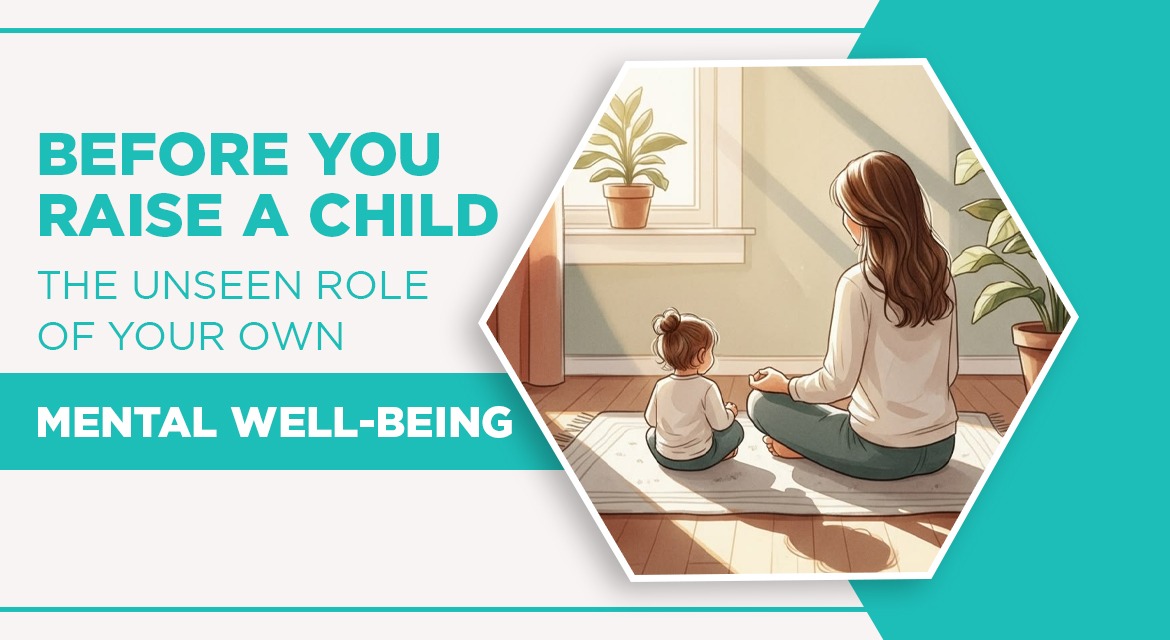
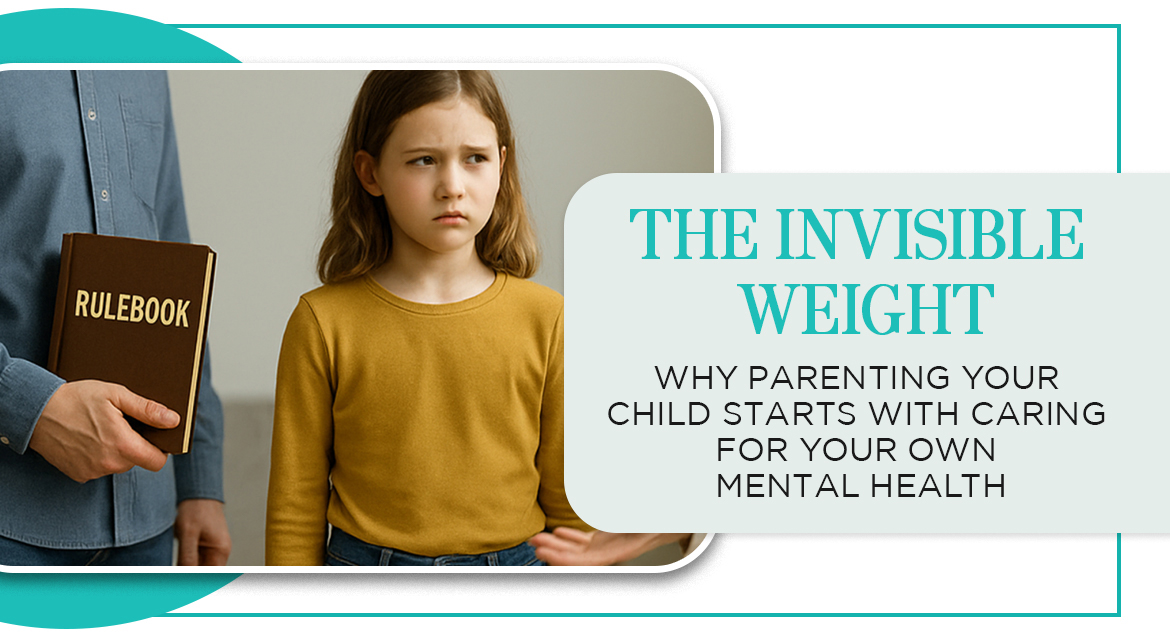
  • The Invisible Weight: Why Parenting Your Child Starts with Caring for Your Own Mental Health

    The Invisible Weight: Why Parenting Your Child Starts with Caring for Your Own Mental Health

    The Invisible Weight: Why Parenting Your Child Starts with Caring for Your Own Mental Health

    By: Sadaf Khan, Founder of Horizon Healing Psychotherapy

    If you are a parent, you are likely familiar with the “Invisible Weight.” It isn’t a physical load, but it feels just as heavy. It is the mental load of remembering school Spirit Days, the emotional labor of soothing a middle-of-the-night nightmare, and the constant, underlying hum of worry: “Am I doing enough? Am I doing this right?”

    At Horizon Healing Psychotherapy, we often see parents who come to us seeking help for their children. They are desperate to help their little ones navigate anxiety, behavioral issues, or big emotions. But one of the most profound truths of family therapy is this: The most powerful tool you have to help your child is a healthy, regulated version of yourself.

    The Science of Co-Regulation: You are the Thermostat

    Many parents view themselves as “mirrors” to their children, reflecting back their needs and emotions. However, in the world of psychotherapy, we view parents more like thermostats.

    A child’s nervous system is still under construction. They do not yet have the biological ability to “calm themselves down” from a state of high distress. Instead, they rely on co-regulation. They “borrow” your calm to stabilize their own internal storm.

    If your “thermostat” is set to high-stress, burnout, or exhaustion, it is nearly impossible to help your child cool down. When a parent is operating from a place of chronic stress, their Window of Tolerance narrows.

    When you are outside your Window of Tolerance perhaps feeling hyper-aroused (anxious/angry) or hypo-aroused (numb/withdrawn) you cannot effectively co-regulate your child. Caring for your mental health isn’t a luxury; it is the act of keeping your thermostat functional so your home stays at a temperature where everyone can thrive.

    The Myth of the Parental Martyr

    Society often tells us that “good” parents are those who give until they have nothing left. We are taught that self-sacrifice is the ultimate sign of love. But in the therapy room, we see the aftermath of this “martyrdom”: burnout, resentment, and a disconnect between parent and child.

    When we ignore our own mental health, the Invisible Weight begins to leak out in ways we don’t intend. It looks like:

    • Snapping at a child for a minor mistake because our “fuse” is already burnt to the end.
    • Feeling “touched out” and unable to offer the physical affection our child craves.
    • A persistent sense of “autopilot,” where we are physically present but emotionally a thousand miles away.

    Self-care is not “me-first”; it is “me-too.” It is acknowledging that your needs for rest, boundaries, and emotional support are just as valid as your child’s.

    Breaking Generational Cycles

    For many of us, the way we parent is a reaction to the way we were parented. We may be trying to give our children the emotional safety we never had. However, “white-knuckling” your way through parenting trying to be “better” through sheer willpower is exhausting.

    By entering therapy or prioritizing your mental wellness, you are doing the hard work of generational healing. You are looking at the patterns of anxiety, anger, or silence that may have been passed down to you and saying, “It stops with me.”

    When your child sees you setting boundaries, asking for help, or taking a moment to breathe when you’re frustrated, you are teaching them more about mental health than any book ever could. You are modeling that human beings have limits, and that seeking support is a sign of strength, not failure.

    What “Caring for Yourself” Actually Looks Like

    At Horizon Healing, we want to redefine self-care for parents. It’s rarely about a weekend at the spa (though that’s lovely!). Real, sustainable mental health support for parents looks like:

    • Setting Boundaries: Learning to say “no” to extra commitments so you have “yes” left for your family and yourself.
    • Emotional Honesty: Acknowledging to yourself (and perhaps a partner or therapist) when you are struggling, rather than burying it.
    • Self-Compassion: Replacing the “inner critic” that tells you you’re failing with the voice of a friend who knows you’re doing your best in a hard job.
    • Professional Support: Having a safe, private space like therapy to process your own fears, traumas, and frustrations so you don’t have to carry them into your interactions with your child.

    Putting on Your Oxygen Mask

    The old cliché of the airplane oxygen mask exists because it is fundamentally true: You cannot pour from an empty cup. If you want your child to be resilient, you must nurture your own resilience. If you want your child to be kind to themselves, you must practice self-kindness. Your mental health is the foundation upon which your child’s well-being is built.

    At Horizon Healing Psychotherapy, we are here to support the whole family. Whether you are navigating the “invisible weight” of new parenthood, the complexities of the teenage years, or your own personal healing journey, you don’t have to do it alone.

    Take the First Step Toward a Lighter Load

    You deserve a space where you are the one being listened to. I invite you to reach out for a free 20-minute consultation. Let’s discuss how we can help you find focus, peace, and the strength to be the parent you truly want to be.

    Your healing is their healing.

    Visit www.horizonhealingpsychotherapy.ca to book your session today.

    • Psychotherapy sessions are virtual( meet from the comfort of your home) 
    • Timings: 10 am-3:30 pm. Evenings are available from 6pm to 10pm with a time/day consultation.
    • some weekends available on request.

    NewsLetter

    Feel Free to reach out if you want to collaborate with us, or simply have a chat.
  • How Therapy Gives Your Child the Language for Big Feelings

    How Therapy Gives Your Child the Language for Big Feelings

    More Than Just Play: How Therapy Gives Your Child the Language for Big Feelings

    By: Sadaf Khan, Founder of Horizon Healing Psychotherapy

    As parents, we often wish our children came with a manual or at the very least, a translator. We watch our little ones navigate a world that is vast, loud, and often confusing. We see the sudden outbursts over a “wrong” colored cup, the quiet withdrawal after a day at school, or the restless nights filled with unspoken worries.

    When a child is struggling, the most common advice is to “talk to them.” But for a child, sitting across from an adult to discuss their “anxiety” or “frustration” can feel impossible. They don’t yet have the neurological hardware to process complex emotions through verbal logic.

    This is where the power of therapy comes in. At Horizon Healing Psychotherapy, we often hear the question: “Is it just play?” The answer is both simple and profound: Play is the child’s language, and toys are their words.

    The Biological “Why”: Understanding the Developing Brain

    To understand why play is so vital in therapy, we have to look at how a child’s brain develops. The prefrontal cortex the part of the brain responsible for logic, reasoning, and complex language isn’t fully developed until a person is in their mid-twenties.

    When a child experiences “Big Feelings” whether it’s grief, fear from a life transition, or the pressure of social dynamics they experience it in the emotional and sensory parts of their brain. They feel it in their racing hearts, their tight tummies, and their clenched fists. Because they lack the verbal vocabulary to say, “I feel overwhelmed by the transition to a new school,” that feeling is translated into behavior: a tantrum, defiance, or bed-wetting.

    Therapy provides a bridge. By using play-based and expressive techniques, we meet the child where they are developmentally, rather than forcing them into an adult’s world of “talk therapy.”

    Play as a Symbolic Language

    In the safe, contained environment of a therapy room, a dollhouse isn’t just a toy; it’s a stage where a child can act out family dynamics. A bin of sand and miniature figures isn’t just a game; it’s a landscape where a child can bury their fears or build a fortress of safety.

    When a child plays, they are engaging in symbolic communication. They can project their internal struggles onto a character. For example, a child who is experiencing bullying might play out a scene where a “brave lion” stands up to a “scary monster.” Through this play, the child:

    1. Gains a sense of control: In the real world, they may feel powerless. In play, they are the director.
    2. Processes trauma safely: By placing the “scary” feeling on a toy, they create a healthy distance from the emotion, making it less overwhelming to process.
    3. Tests solutions: They can try out different endings to a story, helping them build problem-solving skills they can eventually use in real life.

    Building the “Emotional Vocabulary”

    While the play happens, the role of the therapist at Horizon Healing is to act as the “Emotional Translator.”

    As a Registered Therapist (Qualifying), my role is to observe these patterns and gently reflect them back to the child. If a child is aggressively crashing toy cars together, I might say, “Those cars look very frustrated. They have so much energy and they don’t know where to put it.”

    This simple act does something revolutionary for a child: it labels the feeling. Over time, the child begins to connect the physical sensation of “hot” anger or “heavy” sadness with a name. By giving them the language for their big feelings, we move the emotion from a scary, chaotic physical experience to a manageable, named concept. Once a feeling has a name, it loses its power to overwhelm.

    The Goal: Resilience, Not Just Relief

    The objective of child therapy isn’t just to stop a specific behavior; it’s to build a foundation of emotional intelligence that will serve them for the rest of their lives.

    When a child learns through therapy that it is okay to feel angry, that sadness can be shared, and that they have the tools to calm their own nervous system, they become resilient. They learn that they don’t have to navigate their “internal horizon” alone.

    A Partnership with Parents

    At Horizon Healing, we believe that the most successful therapy involves the “village.” You, the parent, are the most important person in your child’s world. While the child is in the room building their vocabulary, we work with you to understand the “why” behind the behaviors.

    When you understand that your child’s “defiance” is actually a “big fear” in disguise, your response shifts from frustration to connection. This connection is the ultimate environment for healing.

    When to Seek Support

    It can be difficult to know when “kids being kids” crosses over into a need for professional support. We often suggest therapy if you notice:

    • Persistent changes in sleep or eating habits.
    • Regression (e.g., a potty-trained child having frequent accidents).
    • Excessive “clinginess” or separation anxiety.
    • Physical complaints (stomachaches/headaches) with no medical cause.
    • Uncontrollable outbursts that seem out of proportion to the situation.

    Finding the Path Forward

    Healing is a journey that doesn’t have to be navigated in silence. If your child is struggling with big feelings, or if you are feeling overwhelmed as a parent, know that there is a safe space waiting for you.

    At Horizon Healing Psychotherapy, we are dedicated to helping families find focus, peace, and stronger connections. We offer a free 20-minute consultation to discuss your child’s needs and how we can help them find their voice through play, through language, and through heart.

    Let’s help your child find the words they need to heal.

    Visit www.horizonhealingpsychotherapy.ca to book your session today.

    • Psychotherapy sessions are virtual( meet from the comfort of your home) 
    • Timings: 10 am-3:30 pm. Evenings are available from 6pm to 10pm with a time/day consultation.
    • some weekends available on request.

    NewsLetter

    Feel Free to reach out if you want to collaborate with us, or simply have a chat.

  • Child Therapy: Helping Children Build Resilience and Reduce Challenging Behaviours

    Child Therapy: Helping Children Build Resilience and Reduce Challenging Behaviours

    Child Therapy: Helping Children Build Resilience and Reduce Challenging Behaviours

    Some days, parenting feels full of joy, small laughs, hugs, and connection. And other days, it’s tears, frustration, or emotional storms that appear from nowhere.

    If your child is having a hard time coping with emotions, it doesn’t mean they’re “misbehaving.” It means they’re trying to communicate something they don’t yet have the words for.

    The heart of child therapy is helping children understand their feelings and giving them the tools to express themselves in healthier ways, while supporting parents as well along the way.

    If you’ve ever wondered:

    – “Why is my child reacting like this?”

    – “How do I help them calm down?”

    – “What am I doing wrong?”

    You are not alone. Many families experience these same concerns. And there is support.

    Why Children Show Challenging Behaviours

    Challenging behaviours aren’t about being “disobedient”, they’re emotional messages. Children express through behaviour what they may not yet have the words for.

    Children may act out when they are navigating:

    – Overwhelming feelings (anger, sadness, anxiety, frustration)

    – Stress at home or school

    – Low self-esteem or fear of making mistakes

    – Changes in routine or environment

    – Not having tools to calm themselves yet

    When kids don’t know how to cope, behaviours become their communication.

    How Child Therapy Builds Resilience

    Resilience is the ability to cope with stress, adapt to challenges, and recover from emotional upsets. Therapy helps children build this inner strength through emotional learning and positive support.

    1. Understanding and Naming Emotions

    Your child learns to recognize and express feelings safely instead of through anger or shutdown.

    1. Learning Calm-Down Tools

    Through activities like storytelling, games, mindfulness, and play techniques, your child learns how to cope when feelings become overwhelming.

    1. Growing Problem-Solving Confidence

    Therapy helps children shift from “I can’t” to “I can try.”

    1. Strengthening Communication and Relationships

    Parents are included to support consistency at home and build stronger communication patterns.

    1. Building Self-Esteem

    Children thrive when they feel understood, supported, and valued.

    A Collaborative Approach with Parents

    Parents play an essential role in their child’s emotional development. We work alongside parents with guidance that supports a calm, connected home environment, so the skills learned in therapy continue to grow every day.

    About Horizon Healing Psychotherapy

    Led by Sadaf Khan, Registered Psychotherapist (Qualifying), Horizon Healing offers compassionate, evidence-based child therapy for families across Canada through secure virtual sessions.

    Your Child Deserves Support and So Do You

    Challenging behaviours are not “the problem”, they are signals. With the right support, children learn to understand themselves and move through emotions with confidence and resilience.

    We offer virtual child therapy sessions to families across Canada (Ages 10 and above).

    No travel. No geographical limitations.

    Just warm, professional support right at home.

    Begin your child’s journey today:

    https://horizonhealingpsychotherapy.ca

    • Psychotherapy sessions are virtual( meet from the comfort of your home) 
    • Timings: 10 am-3:30 pm. Evenings are available from 6pm to 10pm with a time/day consultation.
    • some weekends available on request.

    NewsLetter

    Feel Free to reach out if you want to collaborate with us, or simply have a chat.

  • How to Know If Your Child Needs Therapy: Early Signs Every Parent Should Watch

    How to Know If Your Child Needs Therapy: Early Signs Every Parent Should Watch

    How to Know If Your Child Needs Therapy: Early Signs Every Parent Should Watch

    Parenting is incredibly rewarding, but it can also feel overwhelming, especially when you’re unsure how to support your child’s emotional needs.

    When children begin to withdraw, express strong emotions, or behave differently, parents often wonder:

    “Is this just a phase, or does my child need help?”

    Recognizing early signs can make a life-changing difference. Emotional support in childhood builds resilience, confidence, and lifelong coping skills.

    At Horizon Healing Psychotherapy, we offer virtual child and teen therapy across Canada, providing compassionate and professional support wherever your family is.

    When Should You Consider Therapy for Your Child?

    It’s normal for children to experience worry, frustration, or sadness, but when these feelings begin affecting daily life, relationships, or school performance, therapy may be helpful.

    Therapy is not only for “big problems.”

    It’s a proactive, healthy way to help children:

    – Understand their emotions

    – Learn coping strategies

    – Communicate more clearly

    – Build emotional confidence

    Early Signs Your Child May Need Therapy

    • Frequent Emotional Outbursts
    • Withdrawal from Family or Friends
    • Changes in Sleep or Eating
    • Decline in School Performance
    • Constant Worry or Fear
    • Aggression or Defiance
    • Regression in Behaviours
    • Low Self-Esteem or Negative Self-Talk

    How Therapy Supports Children’s Emotional Growth

    During child counselling sessions, children learn how to:

    – Name and express emotions safely

    – Understand what triggers their feelings

    – Build self-awareness and confidence

    – Develop problem-solving and calming strategies

    – Strengthen communication with family and peers

    We use child-friendly approaches such as play therapy, art therapy, storytelling, and supportive conversation that help children open up comfortably.

    Your Role as a Parent Matters

    Therapy works best when parents and therapists work together.

    You can support your child by:

    – Listening without judgment

    – Encouraging open conversations

    – Validating feelings (not dismissing them)

    – Modelling calm coping behaviours

    – Maintaining routines and emotional safety at home

    Seeking help shows strength and awareness in parents, not failure.

    “Raising a resilient child begins with acknowledging your own emotional support and asking for help when you need.”

    About the Therapist: Sadaf Khan

    Founder of Horizon Healing Psychotherapy, Sadaf Khan is a Registered Psychotherapist (Qualifying) with a compassionate, culturally aware approach. With a background in psychology, public health, and medicine, she supports children, teens, and families in building emotional resilience and healthier communication patterns.

    Start Your Child’s Wellness Journey

    We provide secure online child therapy sessions for families across Canada.

    Book a Child Therapy Consultation:

    https://horizonhealingpsychotherapy.ca/

    • Psychotherapy sessions are virtual( meet from the comfort of your home) 
    • Timings: 10 am-3:30 pm. Evenings are available from 6pm to 10pm with a time/day consultation.
    • some weekends available on request.

    NewsLetter

    Feel Free to reach out if you want to collaborate with us, or simply have a chat.