Category: Uncategorized

  • South Asian Psychotherapists in Canada

    South Asian Psychotherapists in Canada

    Introduction

    Canada is home to one of the largest South Asian diasporas in the world. With over 2.6 million Canadians of South Asian origin, this community represents a significant and growing population with unique cultural, linguistic, and psychological needs.

    However, despite higher rates of anxiety and mood disorders, South Asians in Canada are significantly less likely to seek mental health support due to stigma, cultural barriers, and lack of culturally aligned therapists.

    This is where South Asian psychotherapists in Canada play a critical role bridging cultural gaps, improving access, and delivering therapy that truly resonates.

    Why South Asian Psychotherapists Are Important

    1. Cultural Understanding & Shared Experiences

    South Asian therapists often understand:

    • Family dynamics (joint families, collectivism)
    • Cultural expectations (marriage, gender roles, academic pressure)
    • Immigration stress & identity conflict
    • Religious and spiritual beliefs

    This cultural alignment helps clients feel “seen, heard, and understood” without over-explaining their background.

    1. Breaking Mental Health Stigma

    Mental health stigma is still strong in many South Asian communities. Therapy is often viewed as:

    • A sign of weakness
    • “Only for severe problems”
    • Something to be handled within family

    Research shows that South Asians are up to 85% less likely to seek treatment, largely due to stigma and lack of awareness.

    South Asian psychotherapists help normalize therapy in culturally sensitive ways.

    1. Better Treatment Outcomes with Culturally Adapted Therapy

    Studies from leading institutions like the Centre for Addiction and Mental Health (CAMH) show that:

    • Culturally Adapted CBT (CaCBT) leads to
      • Lower symptom severity
      • Higher engagement
      • Better client satisfaction

    This proves that culture is not optional in therapy it’s essential.

    Common Issues Addressed by South Asian Therapists

    South Asian psychotherapists in Canada commonly support:

    Mental Health Conditions

    • Anxiety disorders
    • Depression
    • Trauma & PTSD
    • ADHD

    Cultural & Identity Challenges

    • Immigrant identity struggles
    • Intergenerational conflict
    • Acculturation stress
    • Language barriers

    Women-Focused Issues

    • Prenatal & postnatal mental health
    • Cultural expectations around marriage
    • Gender-based pressure

    Relationship & Family Issues

    • Communication problems
    • Cross-cultural relationships
    • Parenting challenges

    Types of Therapy Offered

    Most South Asian therapists in Canada use evidence based approaches such as:

    • Cognitive Behavioural Therapy (CBT)
    • Narrative Therapy
    • Solution-Focused Brief Therapy (SFBT)
    • Mindfulness-based therapy

    Many also integrate cultural values, spirituality, and family systems into treatment.

    Benefits of Choosing a South Asian Psychotherapist

    Benefit

    Impact on Client

    Cultural relatability

    Faster trust-building

    Language compatibility

    Better communication

    Reduced stigma

    Higher therapy engagement

    Context-aware therapy

    More effective outcomes

    Challenges in Accessing South Asian Therapists

    Despite growing demand, there are still gaps:

    • Limited availability of culturally competent therapists
    • Long wait times
    • Lack of awareness about services
    • Financial barriers

    Research highlights that many South Asian clients feel disconnected when therapists lack cultural understanding, which reduces therapy effectiveness.

    How to Choose the Right South Asian Therapist in Canada

    Key Factors to Consider:

    1. Credentials
    • Registered Psychotherapist (CRPO)
    • Licensed Clinical Counsellor
    1. Specialization
    • Anxiety, trauma, women’s issues, couples therapy
    1. Cultural Competence
    • Experience with South Asian clients
    • Understanding of religion, traditions, migration
    1. Therapy Format
    • Virtual therapy (high demand across Canada)
    1. Personal Fit
    • Comfort, trust, and communication style

    Example: Culturally Responsive Care in Practice

    At practices like Horizon Healing Psychotherapy, therapists bring:

    • Healthcare + psychotherapy background
    • Deep cultural sensitivity
    • Client-centered, non-judgmental care
    • Virtual therapy accessibility

    This combination is ideal for South Asian clients navigating both cultural identity and mental health challenges.

    Frequently Asked Questions (FAQs)

    Q1: Do I need a South Asian therapist to benefit from therapy?

    No. Many therapists are culturally competent. However, a South Asian therapist may reduce the need to explain cultural context and improve comfort.

    Q2: Is culturally adapted therapy more effective?

    Yes. Research shows culturally adapted approaches like CaCBT lead to better outcomes and engagement for South Asian clients.

    Q3: Are South Asian therapists available online in Canada?

    Yes. Many offer virtual therapy across Ontario and other provinces, making access easier.

    Q4: What issues are most common among South Asian clients?

    Common concerns include:

    • Family pressure
    • Identity conflict
    • Anxiety and depression
    • Relationship challenges

    Q5: How do I find a South Asian psychotherapist in Canada?

    You can search:

    • Psychology Today directory
    • Google (e.g., “South Asian therapist Toronto”)
    • Local clinics offering culturally responsive therapy

    Conclusion

    South Asian psychotherapists in Canada are not just providers they are cultural bridges. They help individuals navigate the intersection of:

    • Culture
    • Identity
    • Mental health

    With increasing awareness and demand, culturally responsive therapy is becoming essential not optional for effective mental health care in Canada.

    References

    1. Centre for Addiction and Mental Health (CAMH) – Culturally Adapted CBT Study
    2. CAMH Research on South Asian Mental Health Outcomes
    3. Mental Health Commission of Canada – CaCBT Research
    4. Qualitative Study on Barriers to Therapy Access
    • Psychotherapy sessions are virtual( meet from the comfort of your home) 
    • Timings: 10 am-3:30 pm. Evenings are available from 6pm to 10pm with a time/day consultation.
    • some weekends available on request.

    NewsLetter

    Feel Free to reach out if you want to collaborate with us, or simply have a chat.

  • Benefits of Virtual Therapy for Busy Professionals in Canada

    Benefits of Virtual Therapy for Busy Professionals in Canada

    Introduction

    Balancing a demanding career with personal responsibilities can make it difficult to prioritize mental health. Many professionals delay seeking support simply because they cannot find the time. Virtual therapy (online psychotherapy) offers a practical alternative. It allows individuals to connect with a licensed therapist from a location that suits them, making it easier to integrate mental health care into a busy routine.

    What Is Virtual Therapy?

    Virtual therapy refers to psychotherapy sessions conducted through secure video platforms, phone calls, or messaging. It follows the same ethical standards and professional frameworks as in-person therapy.

    In Canada, many registered psychotherapists offer virtual services, making care more accessible across provinces.

    Key Benefits of Virtual Therapy for Busy Professionals

    1. Greater Scheduling Flexibility

    Virtual therapy allows professionals to:

    • Book sessions outside traditional office hours
    • Attend from home, office, or while travelling
    • Reduce time spent commuting

    This flexibility can make it easier to attend sessions more regularly.

    1. Convenience Without Travel

    In-person therapy often requires travel time, which may not be feasible during a busy workweek.

    With virtual therapy:

    • There is no commute
    • Sessions can fit into short breaks or after work
    • Weather or traffic does not affect attendance
    1. Increased Privacy

    Some professionals prefer a more private way to access therapy.

    Virtual sessions:

    • Take place in a setting chosen by the client
    • Avoid waiting rooms or public visits
    • Use secure and confidential platforms
    1. Access to a Wider Range of Therapists

    Virtual therapy expands options beyond your immediate area. This can be helpful when looking for:

    • Therapists with specific expertise (e.g., anxiety, trauma, ADHD)
    • Culturally responsive care
    • Therapists who align with personal preferences or communication styles
    1. Supports Consistency in Care

    Consistency is an important part of therapy. Virtual therapy can help reduce common barriers such as:

    • Scheduling conflicts
    • Travel-related delays
    • Last-minute cancellations

    This may help clients stay engaged with their sessions over time.

    Common Areas Professionals Explore in Therapy

    Busy professionals often seek therapy for a range of concerns, including:

    Work-Related Stress

    • High workload and burnout
    • Workplace dynamics
    • Career transitions

    Mental Health Concerns

    • Anxiety
    • Low mood
    • Difficulty concentrating

    Personal Growth

    • Building self-awareness
    • Improving work-life balance
    • Strengthening communication skills

    Considerations Before Starting Virtual Therapy

    While virtual therapy offers many advantages, it’s important to consider:

    • Internet reliability: A stable connection is needed
    • Private space: A quiet environment supports better focus
    • Personal preference: Some individuals may prefer in-person interaction

    A consultation session can help determine if virtual therapy feels like a good fit.

    Tips for Making the Most of Virtual Therapy

    1. Choose a Quiet Environment

    Select a space where you feel comfortable speaking openly.

    1. Treat It as a Priority

    Schedule sessions like any important professional commitment.

    1. Be Open About Your Goals

    Sharing what you hope to explore can help guide the process.

    1. Allow Time After Sessions

    Giving yourself a few minutes after each session can help you reflect.

    Frequently Asked Questions (FAQs)

    Q1: Is virtual therapy confidential?

    Yes. Therapists use secure platforms and follow professional confidentiality standards.

    Q2: Can I attend sessions from work?

    Yes, if you have access to a private and quiet space.

    Q3: Is virtual therapy suitable for everyone?

    It depends on individual preferences and needs. Some people prefer in-person sessions, while others find virtual therapy more practical.

    Q4: Are virtual sessions different from in-person therapy?

    The format is different, but the therapeutic approaches and professional standards are the same.

    Q5: How do I get started?

    You can begin by booking an initial consultation to discuss your needs and see if the approach feels comfortable.

    Conclusion

    Virtual therapy offers a flexible and accessible way for busy professionals in Canada to engage in mental health support. By reducing logistical barriers such as travel and scheduling constraints, it can make it easier to prioritize well-being within a demanding lifestyle.

    References

    1. Canadian Psychological Association – Telepsychology Guidelines
    2. Centre for Addiction and Mental Health (CAMH) – Digital Mental Health Resources
    3. Mental Health Commission of Canada – Virtual Care Reports

    If you are considering therapy and prefer a flexible approach, Horizon Healing Psychotherapy offers virtual sessions designed to fit into busy schedules.

    You may choose to book a consultation to explore whether this format aligns with your needs and preferences.


    • Psychotherapy sessions are virtual( meet from the comfort of your home) 
    • Timings: 10 am-3:30 pm. Evenings are available from 6pm to 10pm with a time/day consultation.
    • some weekends available on request.

    NewsLetter

    Feel Free to reach out if you want to collaborate with us, or simply have a chat.

  • The Myth of Being “Too Much”: Navigating Emotional Needs and Relationship Anxiety

    The Myth of Being “Too Much”: Navigating Emotional Needs and Relationship Anxiety

    The Myth of Being “Too Much”: Navigating Emotional Needs and Relationship Anxiety

    It is one of the most painful labels to carry in a relationship: the belief that you are “too much.”

    This feeling often creeps in during the quiet moments the hours spent waiting for a text response, the sting of a partner’s sudden emotional withdrawal, or the knot in your stomach when you ask for reassurance and receive a sigh in return. You begin to monitor your own behavior, wondering if you should have sent that second message, if your questions are too demanding, or if your desire for closeness is driving people away.

    But here is a fundamental truth that often gets lost in the fog of relationship anxiety: You are not “too much.” You are simply not being met.

    Understanding the Roots of “Too Much”

    When we label ourselves as “too much,” we are essentially pathologizing our basic human needs for connection, consistency, and safety. Usually, this feeling arises from a mismatch between your needs and the emotional capacity or availability of the person you are with.

    1. The Trap of Overthinking

    Overthinking is rarely a solo activity; it is a response to an ambiguous environment. If a partner’s communication is inconsistent or their tone is unpredictable, your brain naturally goes into “problem-solving” mode to find safety. This manifests as analyzing texts, replaying conversations, and trying to decode silence. You aren’t “crazy” for overthinking; you are trying to create certainty where none exists.

    1. The Need for Reassurance

    In a secure relationship, reassurance is a natural byproduct of the bond. When you feel a pang of insecurity and ask, “Are we okay?”, a secure partner offers a simple, grounding “Yes, we are.” When this need is met with irritation or labeled as “needy,” it creates a cycle of shame. You begin to view your request for safety as a flaw rather than a standard part of intimacy.

    1. The Anxiety of the “Pull Away”

    For many, a partner’s emotional withdrawal triggers a physiological “fight or flight” response. If you have an anxious attachment style, a partner pulling away feels like a threat to your survival. The urge to lean in, fix the problem, or demand an explanation is a survival mechanism, not a personality defect.

    Why Your Needs Are Valid

    Every human being has an “Attachment Thermostat.” We all require a certain level of proximity and emotional responsiveness to feel stable. These needs aren’t “extra” they are foundational.

    • Emotional Safety is a Right: You deserve to exist in a relationship where you don’t have to “earn” a sense of security.
    • Consistency is the Minimum: Knowing what to expect from a partner is not a luxury; it is the bedrock of trust.
    • Clarity Over Confusion: Being “confused” by a partner’s behavior is often a sign that their actions don’t match their words. Your intuition is picking up on that dissonance.

    Moving from Self-Blame to Self-Security

    If you have spent years believing you are difficult to love, the journey toward healing involves shifting the perspective from what is wrong with me? to what do I need to feel safe?

    Identifying the Pattern

    Often, those who feel “too much” find themselves repeatedly drawn to people who are “not enough”specifically, those who are avoidantly attached or emotionally unavailable. This creates a “Pursuer-Distancer” dynamic. The more the partner pulls away, the more the anxious partner pursues, confirming the false belief that they are “too much.”

    Setting New Standards

    Healing involves recognizing that a “high-maintenance” label is often just a defense used by someone who isn’t willing to do the work of emotional intimacy. When you begin to validate your own needs, you stop settling for breadcrumbs of affection and start looking for partners who view your depth as a gift, not a burden.

    How Therapy Facilitates Change

    Breaking the cycle of relationship anxiety is difficult to do alone because these patterns are often deeply wired into our nervous systems from childhood or past traumas.

    Horizon Healing Psychotherapy specializes in helping individuals navigate these complex emotional landscapes. Through therapy, you can:

    1. Deconstruct the “Too Much” Narrative: Understand where this belief started and why it no longer serves you.
    2. Regulate Your Nervous System: Learn tools to manage the physical symptoms of anxiety when a partner pulls away.
    3. Communicate Effectively: Shift from “protest behavior” (acting out in anger or desperation) to “assertive communication” (stating your needs clearly and calmly).
    4. Build Self-Worth: Transition from seeking validation externally to finding a secure base within yourself.


    A Note from Sadaf Khan

    You deserve a love that feels like a safe harbor, not a constant storm of “what-ifs.” Your intensity, your desire for closeness, and your big heart are not things you need to shrink to fit into someone else’s narrow capacity.

    “You’re not too much you’re just not being met.”

    If you are ready to stop apologizing for your needs and start building a life of emotional security, I am here to help you navigate that path.


    About the Author

    Sadaf Khan is the Founder of Horizon Healing Psychotherapy. She is a Registered Psychotherapist (Qualifying) with the College of Registered Psychotherapists of Ontario (CRPO). She holds a Master of Arts in Counselling Psychology (MACP) from Yorkville University, Canada, and is dedicated to helping individuals heal their relationships and reclaim their self-worth.


    • Psychotherapy sessions are virtual( meet from the comfort of your home) 
    • Timings: 10 am-3:30 pm. Evenings are available from 6pm to 10pm with a time/day consultation.
    • some weekends available on request.

    NewsLetter

    Feel Free to reach out if you want to collaborate with us, or simply have a chat.
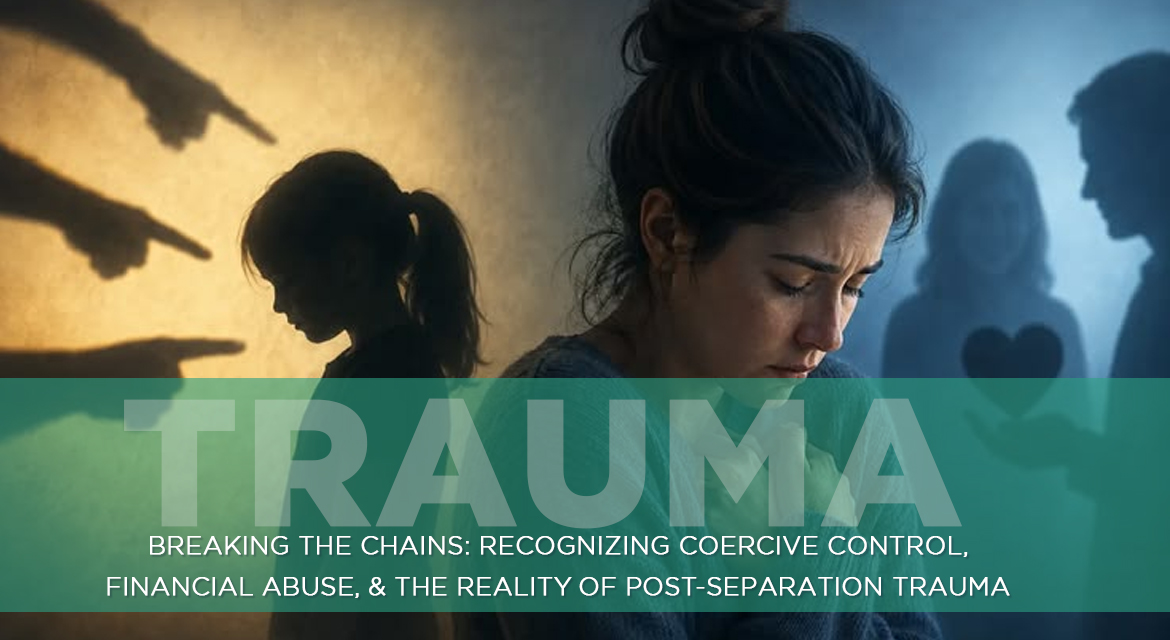
  • Why You Can’t Stop Overthinking in Relationships

    Why You Can’t Stop Overthinking in Relationships

    The Science of the “Spiraling Mind”: Why You Can’t Stop Overthinking in Relationships

    We’ve all been there: staring at a “read” receipt for three hours, dissecting the subtle change in a partner’s tone during a morning phone call, or replaying a minor disagreement until it feels like a relationship-ending catastrophe.

    When the cycle of overthinking takes hold, it feels like a heavy fog. You might feel exhausted, frustrated with yourself, and even ashamed. You might tell yourself, “I’m being crazy” or “I need to just relax.” But here is the reality: Overthinking isn’t the problem it’s a response. It is your brain’s attempt to find safety in an environment that feels emotionally unpredictable.

    1. Overthinking as a Survival Mechanism

    To stop the cycle, we first have to understand why our brains do this. Human beings are biologically wired for connection; in our evolutionary past, being cast out of the group meant certain death. Therefore, our brains developed a highly sensitive “alarm system” to detect potential rejection.

    When you overthink in a relationship, your mind is engaging in three specific survival tactics:

    • Predicting: Your brain tries to “solve” the future. If you can predict exactly when someone might leave or lose interest, you won’t be blindsided.
    • Protecting: By staying in a state of high alert, you feel “armored” against emotional pain. If you expect the worst, it might hurt less when it happens (or so the brain thinks).
    • Preventing Rejection: You analyze your own behavior what you said, how you looked trying to find the “error” you can fix to ensure the other person stays.
    1. The Link Between Overthinking and Attachment

    Overthinking is rarely about the current text message or the current argument. It is often a symptom of your Attachment Style.

    If you grew up in an environment where love was inconsistent sometimes there, sometimes withdrawn your nervous system learned to be hyper vigilant. This is often referred to as Anxious Attachment. For someone with this style, silence from a partner doesn’t just mean “they are busy”; it feels like a fundamental threat to the bond.

    Overthinking is essentially your “Internal Alarm System” stuck in the ‘ON’ position. You aren’t weak; your system is simply doing exactly what it was trained to do to keep you safe.


    1. The Cost of the “Mental Noise”

    While overthinking tries to protect you, it often ends up creating the very distance you fear.

    • It creates “Protest Behavior”: You might lash out, withdraw, or seek reassurance in ways that feel suffocating to a partner.
    • It steals the present: You spend so much time analyzing the possibility of a breakup that you forget to enjoy the reality of the connection.
    • It causes burnout: Living in a state of constant mental “red alert” is physically and emotionally draining.


    1. How to Quiet the Noise: Moving Toward Healing

    The goal of healing isn’t to “stop thinking”; it’s to build enough internal security that you no longer need to over-think to feel safe.

    Focus on the “Window of Tolerance”

    When you start to spiral, you have likely left your “Window of Tolerance” the zone where you can manage your emotions effectively. Grounding techniques (like the 5-4-3-2-1 method) can help bring your nervous system back to a state of calm before you try to communicate with your partner.

    Challenge the Narrative

    Ask yourself: “Is this a fact, or is this a feeling?” * Feeling: “They haven’t texted back because they are bored of me.”

    • Fact: “They haven’t texted back in two hours.” Distinguishing between the two helps strip the power away from the anxious narrative.

    Safe Communication

    Instead of “Why are you ignoring me?” (which triggers defensiveness), try: “I’m noticing I’m feeling a bit anxious because I haven’t heard from you today. Could I get a quick check-in when you’re free?”

    Finding Peace with Horizon Healing

    You don’t have to live in constant mental noise. Chronic overthinking is a sign that your inner child is looking for a safety that hasn’t been established yet.

    At Horizon Healing Psychotherapy, we work with you to understand the roots of these patterns. We don’t just give you “tips” to stop thinking; we work on healing the underlying attachment wounds so that your brain no longer feels the need to be on high alert.

    Your mind deserves to be a peaceful place to live.


    Sadaf Khan Founder, Horizon Healing Psychotherapy Registered Psychotherapist (Qualifying)  CRPO Master of Arts in Counselling Psychology (MACP)  Yorkville University, Canada.


    • Psychotherapy sessions are virtual( meet from the comfort of your home) 
    • Timings: 10 am-3:30 pm. Evenings are available from 6pm to 10pm with a time/day consultation.
    • some weekends available on request.

    NewsLetter

    Feel Free to reach out if you want to collaborate with us, or simply have a chat.

  • Understanding the Importance of Culturally Responsive Therapy

    Understanding the Importance of Culturally Responsive Therapy

    Understanding the Importance of Culturally Responsive Therapy

    Canada is one of the most culturally diverse countries in the world. Many individuals and families arrive with hopes for opportunity, safety, and growth. However, the immigration journey can also bring emotional challenges that are often overlooked.

    Culturally responsive therapy recognizes the importance of cultural identity, personal history, and lived experiences in the healing process.

    Challenges Immigrants Often Face

    Moving to a new country involves more than adjusting to a new environment. It often includes emotional and psychological changes that can affect mental health.

    Common challenges include:

    • Adapting to a new culture
    • Language barriers
    • Feeling isolated or disconnected
    • Pressure to succeed or support family members
    • Balancing traditional values with new social expectations

    These experiences can lead to feelings of stress, confusion, or identity conflict.

    What Is Culturally Responsive Psychotherapy?

    Culturally responsive therapy is an approach that respects and integrates cultural identity into the therapeutic process.

    A culturally aware therapist understands that culture influences:

    • Communication styles
    • Family dynamics
    • Beliefs about mental health
    • Coping mechanisms

    Rather than ignoring these factors, culturally responsive therapy incorporates them into meaningful and supportive conversations.

    Benefits of Working With a Culturally Sensitive Therapist

    When therapy acknowledges cultural experiences, individuals often feel more comfortable sharing their stories.

    Benefits include:

    • Feeling understood and respected
    • Exploring identity in a safe space
    • Navigating cultural expectations
    • Addressing generational differences within families

    This approach helps create trust and encourages deeper emotional exploration.

    Who Can Benefit From This Type of Therapy?

    Culturally responsive therapy can support many individuals, including:

    • Immigrants adjusting to life in Canada
    • International students experiencing homesickness or stress
    • Multicultural couples navigating relationship challenges
    • Second-generation individuals balancing multiple identities

    Each person’s experience is unique, and therapy can provide a supportive environment to explore these complexities.

    Creating a Safe Space for Healing

    Feeling seen and understood is an essential part of the therapeutic relationship. When culture is respected and valued, therapy becomes more meaningful and effective.

    At Horizon Healing Psychotherapy, the focus is on creating a welcoming space where individuals from diverse backgrounds can explore their experiences with empathy and understanding.

    Support is available if you are navigating cultural transitions or identity challenges.


    Therapy can provide clarity, connection, and emotional healing.


    • Psychotherapy sessions are virtual( meet from the comfort of your home) 
    • Timings: 10 am-3:30 pm. Evenings are available from 6pm to 10pm with a time/day consultation.
    • some weekends available on request.

    NewsLetter

    Feel Free to reach out if you want to collaborate with us, or simply have a chat.

  • How to Know If You Need Therapy for Anxiety: 7 Signs You Shouldn’t Ignore

    How to Know If You Need Therapy for Anxiety: 7 Signs You Shouldn’t Ignore

    How to Know If You Need Therapy for Anxiety: 7 Signs You Shouldn’t Ignore

    Anxiety is one of the most common mental health challenges people experience today. In small amounts, anxiety can help us stay alert and motivated. However, when anxiety becomes persistent, overwhelming, or interferes with daily life, professional support may be helpful.

    Many people struggle silently with anxiety without realizing that therapy can provide practical tools and emotional relief. Understanding the signs can help you decide when it may be time to seek support.

    Understanding Anxiety in Everyday Life

    Life transitions, work pressure, parenting responsibilities, and cultural expectations can all contribute to anxiety. For many individuals, these stressors accumulate over time, leading to emotional and physical symptoms.

    Common causes of anxiety include:

    • Work or academic stress
    • Relationship challenges
    • Major life changes such as immigration or relocation
    • Financial pressures
    • Parenting responsibilities

    While occasional worry is normal, chronic anxiety can begin to affect your mood, sleep, relationships, and overall wellbeing.

    7 Signs You May Need Therapy for Anxiety

    1. Constant Overthinking

    Do you find your mind constantly replaying situations or imagining worst-case scenarios? Persistent overthinking can make it difficult to relax or enjoy daily activities.

    Therapy helps you develop strategies to interrupt anxious thought patterns and regain mental clarity.

    1. Difficulty Sleeping

    Anxiety often interferes with sleep. You might struggle to fall asleep, wake frequently during the night, or feel restless even after sleeping.

    Lack of quality sleep can worsen anxiety and affect your physical health.

    1. Physical Symptoms of Anxiety

    Anxiety doesn’t only affect the mind; it can also affect the body.

    Common physical symptoms include:

    • Headaches
    • Muscle tension
    • Rapid heartbeat
    • Digestive discomfort
    • Fatigue

    Therapy can help you understand the mind-body connection and manage these symptoms effectively.

    1. Avoiding Certain Situations

    If anxiety causes you to avoid social events, conversations, or important responsibilities, it may be limiting your quality of life.

    Therapy helps individuals gradually build confidence and face difficult situations with healthier coping strategies.

    1. Feeling Emotionally Exhausted

    Living with constant worry can feel mentally draining. You may feel overwhelmed, irritable, or emotionally depleted.

    A supportive therapeutic environment allows you to explore these feelings safely and find ways to restore emotional balance.

    1. Difficulty Concentrating

    Anxiety can make it hard to focus on work, studies, or daily tasks. Racing thoughts often make it difficult to stay present.

    Therapy can help improve focus by teaching mindfulness and cognitive techniques.

    1. Loss of Joy or Motivation

    When anxiety becomes overwhelming, activities you once enjoyed may begin to feel stressful or meaningless.

    Therapy helps reconnect you with your values, interests, and sense of purpose.

    How Therapy Helps Manage Anxiety

    Psychotherapy provides tools and strategies that help individuals better understand and manage anxiety.

    Common therapeutic approaches include:

    With the right support, many people learn to navigate anxiety with greater confidence and resilience.

    Benefits of Online Anxiety Therapy

    Virtual therapy has made mental health support more accessible than ever.

    Benefits include:

    • Attending sessions from the comfort of home
    • Flexible scheduling
    • Greater privacy and convenience
    • No commuting required

    Online therapy allows individuals to prioritize their mental health while balancing work, family, and other responsibilities.

    When to Reach Out for Professional Support

    If anxiety is affecting your relationships, sleep, work, or overall wellbeing, speaking with a therapist can be an important step toward healing.

    Seeking therapy is not a sign of weakness. It is a step toward understanding yourself better and building healthier coping skills.

    At Horizon Healing Psychotherapy, we offer a compassionate and supportive space where individuals can explore their experiences and develop practical tools for managing anxiety.

    Take the first step toward emotional balance.


    Virtual therapy sessions are available to support your mental health journey.


    • Psychotherapy sessions are virtual( meet from the comfort of your home) 
    • Timings: 10 am-3:30 pm. Evenings are available from 6pm to 10pm with a time/day consultation.
    • some weekends available on request.

    NewsLetter

    Feel Free to reach out if you want to collaborate with us, or simply have a chat.
  • Understanding Self-Esteem and Why It Matters

    Understanding Self-Esteem and Why It Matters

    Understanding Self-Esteem and Why It Matters

    Self-esteem influences how we see ourselves and how we interact with the world. Healthy self-esteem helps individuals feel confident, capable, and worthy of respect. However, many people struggle with self-doubt, negative self-talk, and feelings of inadequacy. These experiences can affect relationships, career choices, and overall emotional wellbeing.

    What Causes Low Self-Esteem?

    Low self-esteem often develops from a combination of personal experiences and external influences.

    Some common contributing factors include:

    • Critical childhood experiences
    • Cultural or societal expectations
    • Past trauma or bullying
    • Repeated experiences of failure or rejection

    Over time, these experiences can create deeply ingrained negative beliefs about oneself.

    Signs of Low Self-Esteem

    People experiencing low self-esteem may notice patterns such as:

    • Constant self-criticism
    • Fear of making mistakes
    • Difficulty accepting compliments
    • Avoiding new opportunities
    • People-pleasing behaviour

    These patterns can limit personal growth and emotional wellbeing.

    How Therapy Helps Build Confidence

    Psychotherapy offers tools to challenge negative beliefs and develop a healthier relationship with oneself.

    Common therapeutic approaches include:

    • Cognitive Behavioural Therapy (CBT) to reframe negative thinking
    • Narrative therapy to explore personal stories and identity
    • Strength-based therapy to recognize personal abilities
    • Mindfulness practices to increase self-awareness

    Through therapy, individuals can gradually develop confidence and self-compassion.

    Small Steps Toward Building Self-Confidence

    Improving self-esteem is a gradual process. Some helpful steps include:

    • Practicing self-compassion
    • Setting realistic goals
    • Celebrating small achievements
    • Surrounding yourself with supportive people
    • Challenging negative self-talk

    With time and support, many individuals learn to view themselves with greater kindness and confidence.

    Moving Toward Personal Growth

    Therapy provides a supportive environment where individuals can explore their experiences, challenge limiting beliefs, and rediscover their strengths.

    At Horizon Healing Psychotherapy, the focus is on helping clients develop self-confidence, emotional resilience, and a stronger sense of self.

    Investing in your emotional wellbeing can transform how you experience life.


    Therapy offers a pathway toward confidence, clarity, and personal growth.


    • Psychotherapy sessions are virtual( meet from the comfort of your home) 
    • Timings: 10 am-3:30 pm. Evenings are available from 6pm to 10pm with a time/day consultation.
    • some weekends available on request.

    NewsLetter

    Feel Free to reach out if you want to collaborate with us, or simply have a chat.

  • Postpartum Mental Health: Signs, Causes, and Therapy Support for New Mothers

    Postpartum Mental Health: Signs, Causes, and Therapy Support for New Mothers

    Postpartum Mental Health: Signs, Causes, and Therapy Support for New Mothers

    Welcoming a new baby into the world is often described as one of the happiest moments in life. While this time can be filled with love and connection, the postpartum period is also one of the most emotionally and physically demanding transitions a woman can experience.

    Many mothers experience emotional ups and downs after childbirth. Hormonal changes, physical recovery, sleep deprivation, and adjusting to a completely new role can place enormous pressure on mental well-being.

    For some mothers, these emotional changes are temporary. For others, they can develop into more serious conditions such as postpartum depression or postpartum anxiety.

    Understanding postpartum mental health, including the warning signs, causes, and available support, can help mothers and families navigate this challenging time with compassion and confidence.

    What Is Postpartum Mental Health?

    Postpartum mental health refers to a mother’s emotional and psychological wellbeing after childbirth. While many people assume the postpartum period only lasts a few weeks, emotional adjustments can continue for months or even years after giving birth.

    During this time, women may experience a wide range of emotional changes due to:

    • Major hormonal shifts
    • Physical recovery from pregnancy and childbirth
    • Sleep deprivation
    • Lifestyle adjustments
    • Increased responsibilities

    While emotional fluctuations are normal, persistent feelings of sadness, anxiety, or emotional disconnection may indicate a postpartum mental health condition.

    Common postpartum mental health conditions include:

    • Postpartum depression
    • Postpartum anxiety
    • Birth trauma or postpartum PTSD
    • Postpartum adjustment difficulties

    These conditions are medical and psychological experiences, not personal failures or signs of weakness.

    The “Baby Blues”: A Common Early Experience

    Many mothers experience what is commonly called the baby blues during the first days after childbirth.

    Baby blues typically appear within the first few days after delivery and may last up to two weeks.

    Common symptoms include:

    • Mood swings
    • Tearfulness
    • Irritability
    • Feeling overwhelmed
    • Difficulty sleeping
    • Increased emotional sensitivity

    Baby blues are extremely common and usually resolve naturally. However, when symptoms last longer than two weeks or become more intense, it may be a sign of postpartum depression or anxiety.

    Recognizing this difference is important so mothers can receive the support they need.

    Signs of Postpartum Depression and Anxiety

    Postpartum mental health challenges can appear in many different ways. Some mothers may feel persistent sadness, while others may experience overwhelming anxiety.

    Emotional Signs

    Emotional symptoms may include:

    • Persistent sadness or emptiness
    • Frequent crying
    • Feeling disconnected from the baby
    • Loss of interest in activities once enjoyed
    • Feelings of guilt, hopelessness, or worthlessness

    Anxiety-Related Symptoms

    Postpartum anxiety is also common and may include:

    • Constant worry about the baby’s health or safety
    • Racing or intrusive thoughts
    • Panic attacks
    • Difficulty relaxing or sleeping
    • Fear of being alone with the baby

    Physical and Behavioural Symptoms

    Mental health challenges can also affect physical wellbeing and daily functioning:

    • Extreme fatigue beyond normal sleep deprivation
    • Changes in appetite
    • Difficulty concentrating
    • Withdrawal from loved ones
    • Trouble bonding with the baby

    Urgent Warning Signs

    Some symptoms require immediate professional help.

    These include:

    • Thoughts of harming yourself
    • Thoughts of harming your baby
    • Feeling that your family would be better off without you

    If these feelings occur, seeking professional support immediately is essential.

    Why Postpartum Mental Health Challenges Happen

    Postpartum mental health conditions rarely have a single cause. Instead, they usually result from a combination of biological, emotional, and social factors.

    Common contributing factors include:

    Hormonal Changes

    After childbirth, estrogen and progesterone levels drop rapidly, which can significantly affect mood regulation.

    Physical Recovery

    Childbirth can involve physical pain, surgical recovery, or complications that increase emotional stress.

    Sleep Deprivation

    New mothers often experience severe sleep disruption, which strongly impacts emotional wellbeing.

    Birth Trauma

    Difficult deliveries, emergency procedures, or unexpected complications can leave emotional scars.

    Previous Mental Health History

    Women who have experienced depression or anxiety before pregnancy may have a higher risk of postpartum mental health challenges.

    Lack of Support

    Limited emotional or practical support can increase feelings of overwhelm.

    It is important to remember that postpartum mental health struggles are not caused by poor parenting or personal weakness.

    Why Early Support Matters

    Many mothers hesitate to ask for help because they feel pressure to appear happy or capable during motherhood.

    However, untreated postpartum mental health challenges can affect:

    • Mother-child bonding
    • Relationship health
    • Family wellbeing
    • Long-term emotional health

    Seeking help early can shorten recovery time and reduce emotional suffering.

    With the right support, many mothers begin to feel better much sooner than they expect.

    How Therapy Can Support Postpartum Healing

    Professional therapy provides a safe and supportive space where mothers can speak openly about their emotions without fear of judgment.

    Therapy for postpartum mental health can help mothers:

    • Understand their emotional experiences
    • Develop coping strategies for anxiety and low mood
    • Process birth trauma
    • Strengthen bonding with their baby
    • Reduce guilt and self-criticism
    • Improve communication with partners
    • Rebuild confidence and identity

    Healing does not mean becoming a perfect mother. It means becoming a supported and emotionally healthy parent.

    Practical Ways Mothers Can Support Their Mental Health

    While professional help is important, small daily steps can also support emotional wellbeing.

    Helpful strategies include:

    • Talking openly with a trusted friend or partner
    • Accepting help with household tasks
    • Resting whenever possible
    • Eating regular meals and staying hydrated
    • Spending time outdoors
    • Limiting social comparison on social media

    Even small acts of self-care can make a meaningful difference.

    Postpartum Mental Health Support in Ontario

    Many mothers across Ontario experience postpartum mental health challenges but may not know where to find support.

    Working with a licensed therapist experienced in postpartum mental health can help mothers navigate this transition with understanding and compassion.

    At Horizon Healing Psychotherapy, therapy is designed to support mothers experiencing:

    • Postpartum depression
    • Postpartum anxiety
    • Emotional overwhelm
    • Adjustment difficulties after childbirth

    The clinic provides a safe and culturally sensitive environment where mothers can feel heard, supported, and empowered.

    If you or someone you love is struggling after childbirth, professional help is available.

    👉 https://horizonhealingpsychotherapy.ca/

    Final Thoughts

    Motherhood is a powerful life transition, and emotional challenges during the postpartum period are more common than many people realize.

    Postpartum mental health deserves understanding, compassion, and proper support.

    With the right care, healing is possible. Confidence can return. Joy can grow again.

    And mothers can move forward feeling stronger, calmer, and more connected to themselves and their families.

    • Psychotherapy sessions are virtual( meet from the comfort of your home) 
    • Timings: 10 am-3:30 pm. Evenings are available from 6pm to 10pm with a time/day consultation.
    • some weekends available on request.

    NewsLetter

    Feel Free to reach out if you want to collaborate with us, or simply have a chat.
  • Therapy for Mothers: Support Before, During, and After Birth

    Therapy for Mothers: Support Before, During, and After Birth

    Therapy for Mothers: Support Before, During, and After Birth

    Motherhood is often described as one of life’s most joyful experiences, yet it can also be emotionally overwhelming, physically exhausting, and mentally challenging. From pregnancy anxiety to postpartum mood changes and the long-term emotional adjustments of parenting, mothers go through a profound transformation that deserves care, understanding, and professional support.

    Therapy can provide a safe space for mothers to navigate this journey with confidence, resilience, and emotional balance. Whether before birth, during pregnancy, or after delivery, mental health support plays a vital role in both a mother’s well-being and her child’s development.

    Why Maternal Mental Health Matters

    A mother’s mental health affects not only her own quality of life but also her relationships, bonding with her baby, and family stability. Many women experience emotional challenges during the perinatal period, yet these struggles are often minimized or misunderstood.

    Common experiences include:

    • Anxiety about pregnancy or childbirth
    • Fear of being an “imperfect” mother
    • Mood swings or emotional sensitivity
    • Relationship stress or identity changes
    • Sleep deprivation and exhaustion
    • Postpartum sadness, depression, or intrusive thoughts

    These feelings are more common than most mothers realize. Seeking therapy is not a sign of weakness it is a step toward strength, healing, and healthier parenting.

    Support Before Birth: Preparing Emotionally for Motherhood

    Pregnancy brings anticipation, excitement, and sometimes uncertainty. Therapy during pregnancy can help mothers prepare mentally and emotionally for the life changes ahead.

    Therapy before birth can help with:

    • Managing pregnancy anxiety and fears about delivery
    • Coping with past trauma or difficult birth experiences
    • Adjusting to body image and identity changes
    • Navigating relationship shifts with partners or family
    • Preparing emotionally for parenting responsibilities

    This stage is an opportunity to build emotional tools that will support mothers once the baby arrives.

    Support During Pregnancy: Navigating Emotional Changes

    Hormonal changes, physical discomfort, and lifestyle adjustments can affect emotional wellbeing during pregnancy. Some mothers may experience persistent worry, mood swings, or stress about the future.

    Therapy during pregnancy provides:

    • A safe, non-judgmental space to talk openly
    • Tools for managing stress and anxiety
    • Strategies for emotional regulation
    • Guidance for maintaining healthy relationships
    • Support for high-risk pregnancies or medical concerns

    Mental health care during pregnancy helps mothers feel more grounded, prepared, and confident.

    Support After Birth: Healing in the Postpartum Period

    The postpartum phase is one of the most emotionally complex times in a mother’s life. While some women experience only mild mood changes, others may struggle with more serious challenges such as postpartum depression, anxiety, or emotional detachment.

    Therapy after birth helps mothers:

    • Understand and manage postpartum depression symptoms
    • Cope with anxiety, panic, or intrusive thoughts
    • Process difficult or traumatic birth experiences
    • Adjust to sleep deprivation and routine changes
    • Rebuild confidence in parenting abilities
    • Maintain a sense of identity beyond motherhood

    Early support can prevent emotional struggles from becoming long-term difficulties.

    Beyond Birth: Long-Term Emotional Support for Mothers

    Mental health support does not end after the newborn stage. Many mothers continue to face emotional challenges months or even years after childbirth.

    Therapy beyond birth can support mothers with:

    • Parenting stress and burnout
    • Work-life balance struggles
    • Relationship and family pressures
    • Loss of personal identity or independence
    • Emotional exhaustion or guilt

    Ongoing therapy helps mothers maintain resilience and emotional wellbeing as their families grow.

    Signs a Mother May Benefit from Therapy

    Mothers should consider professional support if they experience:

    • Persistent sadness or emotional numbness
    • Intense anxiety or racing thoughts
    • Difficulty bonding with the baby
    • Feelings of guilt, shame, or inadequacy
    • Frequent irritability or emotional outbursts
    • Loss of interest in daily life
    • Trouble sleeping even when exhausted

    Seeking help early can make recovery faster and smoother.

    How Therapy Empowers Mothers

    Therapy provides more than symptom relief it empowers mothers to thrive.

    It helps women:

    ✔ Build emotional resilience
    ✔ Improve communication with partners and family
    ✔ Strengthen attachment with their child
    ✔ Reduce stress and overwhelm
    ✔ Develop self-compassion and confidence
    ✔ Reconnect with their personal identity

    When mothers feel supported, families become stronger.

    Professional Support for Mothers at Horizon Healing Psychotherapy

    At Horizon Healing Psychotherapy, mothers receive compassionate, culturally sensitive, and evidence-based mental health support tailored to each stage of motherhood. The clinic offers therapy for pregnancy anxiety, postpartum emotional challenges, parenting stress, and long-term maternal well-being.

    Their approach focuses on creating a safe, supportive environment where mothers feel heard, understood, and empowered to heal.

    If you or someone you know could benefit from professional support, you can learn more about available services by visiting:
     https://horizonhealingpsychotherapy.ca/

    Reaching out for help is one of the most caring decisions a mother can make for herself and her family.

    Final Thoughts

    Motherhood is not meant to be navigated alone. While it brings deep love and meaning, it also requires emotional strength and support. Therapy offers mothers the tools to manage challenges, embrace growth, and experience motherhood with greater balance and confidence.

    Because every mother deserves care, too.


    • Psychotherapy sessions are virtual( meet from the comfort of your home) 
    • Timings: 10 am-3:30 pm. Evenings are available from 6pm to 10pm with a time/day consultation.
    • some weekends available on request.

    NewsLetter

    Feel Free to reach out if you want to collaborate with us, or simply have a chat.

  • Emotional First Aid: How Therapy Teaches Children to Navigate Big Feelings

    Emotional First Aid: How Therapy Teaches Children to Navigate Big Feelings

    Emotional First Aid: How Therapy Teaches Children to Navigate Big Feelings

    When a child scrapes their knee or bumps their head, we know exactly what to do. We reach for the “First Aid” kit, cleaning the wound, applying a bandage, and offering a comforting hug. We treat these physical injuries with urgency and care because we know that unattended wounds can become infected.

    However, when a child experiences a “scraped” heart or an “injured” ego moments of intense rejection, overwhelming anxiety, or crushing sadness, the path to healing is often less clear. These are what we call Big Feelings. Without the right tools, these emotional wounds can fester, manifesting as behavioural outbursts, withdrawal, or chronic anxiety. This is where the concept of Emotional First Aid becomes essential.

    At Horizon Healing Psychotherapy, we view child therapy not just as a way to “fix” a problem, but as a way to provide children with a mental health first aid kit they can carry for the rest of their lives.

    Understanding the “Big Feeling” Brain

    To help a child navigate intense emotions, we must first understand what is happening inside their developing brain. When a child experiences a Big Feeling, such as a surge of anger because they lost a game, their amygdala (the brain’s emotional alarm system) takes over. This triggers a “fight, flight, or freeze” response.

    Because the prefrontal cortex, the part of the brain responsible for logic and impulse control is still under construction, children literally cannot “think” their way out of an emotional storm. They are hijacked by their biology. Therapy provides a bridge between these two parts of the brain, teaching children how to soothe the alarm system so the logical brain can come back online.

    The Pillars of Emotional First Aid in Therapy

    In a therapeutic setting, we teach children specific, actionable skills to manage their internal world. Here are the core pillars of Emotional First Aid that we focus on:

    1. Identification: Scanning for the “Injury.”

    Just as you must find where a cut is located to treat it, a child must learn to locate their feelings. We help children move beyond “I’m bad” or “I’m mad” to identifying the physical sensations of emotion.

    • Does your tummy feel tight?
    • Are your hands clenched like a fist?
    • Is there a “heavy” feeling in your chest?

    By identifying the physical injury, the emotion becomes less of a vague monster and more of a manageable signal.

    1. Validation: The “Antiseptic” of the Soul

    Validation is the most powerful tool in the emotional first aid kit. In therapy, children learn that all feelings are valid, even if all behaviors are not. When a therapist or a parent says, “It makes sense that you feel frustrated that the game ended,” it acts as an antiseptic. It stops the “infection” of shame. When a child feels understood, their nervous system begins to de-escalate automatically.

    1. De-escalation: Stopping the “Bleeding.”

    When a child is in the middle of an emotional outburst, they need immediate tools to stop the emotional bleeding. In therapy, we practice “bottom-up” regulation strategies, such as:

    • Box Breathing: Visualizing a square while inhaling, holding, exhaling, and holding.
    • The 5-4-3-2-1 Technique: Finding five things they can see, four they can touch, three they can hear, two they can smell, and one they can taste to ground them in the present moment.
    • Heavy Work: Using physical resistance, like pushing against a wall, to help reset the nervous system.
    1. Cognitive Reframing: Applying the “Bandage.”

    Once the child is calm, therapy helps them look at the situation differently. This isn’t about “positive thinking”; it’s about accurate thinking. If a child thinks, “Nobody likes me because I wasn’t invited to the party,” we help them apply a cognitive bandage: “I’m sad I wasn’t invited, but I have three good friends with whom I played yesterday.”

    How Therapy Empowers the Family

    Emotional First Aid is not a skill learned in isolation. At Horizon Healing Psychotherapy, we believe the family is the primary healing environment. Therapy for children often involves coaching parents on how to be the “First Aid Responders” at home.

    • The “Wait and See” vs. Proactive Approach: Many parents wonder if their child will simply grow out of their big feelings. While emotional maturity does come with age, the skills to manage stress do not happen by accident. By engaging in therapy early, families prevent the scrapes of childhood from becoming the scars of adulthood.
    • Building Resilience: Resilience isn’t the absence of stress; it’s the ability to navigate it. When a child learns Emotional First Aid, they stop fearing their emotions. They realize that while a Big Feeling might be uncomfortable, it is temporary and survivable.

    When Should You Seek “Professional” First Aid?

    While parents are the first line of defence, some emotional wounds require a specialist. You might consider therapy for your child if:

    1. Their Big Feelings are interfering with school or friendships.
    2. The frequency and intensity of outbursts are increasing rather than decreasing.
    3. The child seems “stuck” in an emotion, such as constant worry or persistent sadness.
    4. Your usual parenting tools, time-outs, rewards, or talking no longer seem to work.

    Conclusion: A Toolkit for Life

    The goal of Emotional First Aid is not to create a child who never feels sad, angry, or scared. That would be impossible. Our goal is to create a child who knows what to do when those feelings arrive.

    At Horizon Healing Psychotherapy, we are dedicated to helping your child build their unique toolkit. By teaching them to identify, validate, and regulate their emotions today, we are ensuring they have the mental health foundations to lead a fulfilling, resilient life tomorrow.

    No wound is too small to care for, and no feeling is too big to handle with the right support.

    Sadaf Khan is a Licensed Psychotherapist and the Founder of Horizon Healing Psychotherapy. She specializes in helping families navigate the complexities of childhood emotions through a compassionate, evidence-based lens.

    Are you ready to help your child build their emotional first aid kit? Contact Horizon Healing Psychotherapy today to begin the journey toward a calmer, more resilient home.

    • Psychotherapy sessions are virtual( meet from the comfort of your home) 
    • Timings: 10 am-3:30 pm. Evenings are available from 6pm to 10pm with a time/day consultation.
    • some weekends available on request.

    NewsLetter

    Feel Free to reach out if you want to collaborate with us, or simply have a chat.