- Home
- About Sadaf
- Our Services
- Therapies Offered
- Cognitive Behavioural Therapy (CBT)
- Emotionally Focused Therapy (EFT)
- Trauma-Informed Therapy
- Mindfulness-Based Therapy
- Acceptance & Commitment Therapy (ACT)
- Internal Family Systems (IFS) Therapy
- Person Centred Therapy
- Psychodynamic Therapy
- Solution-Focused Therapy
- Dialectical Behaviour Therapy (DBT)
- Psychoeducation
- Areas of Support
- Rates

- Home
- About Sadaf
- Our Services
- Therapies Offered
- Cognitive Behavioural Therapy (CBT)
- Emotionally Focused Therapy (EFT)
- Trauma-Informed Therapy
- Mindfulness-Based Therapy
- Acceptance & Commitment Therapy (ACT)
- Internal Family Systems (IFS) Therapy
- Person Centred Therapy
- Psychodynamic Therapy
- Solution-Focused Therapy
- Dialectical Behaviour Therapy (DBT)
- Psychoeducation
- Areas of Support
- Rates
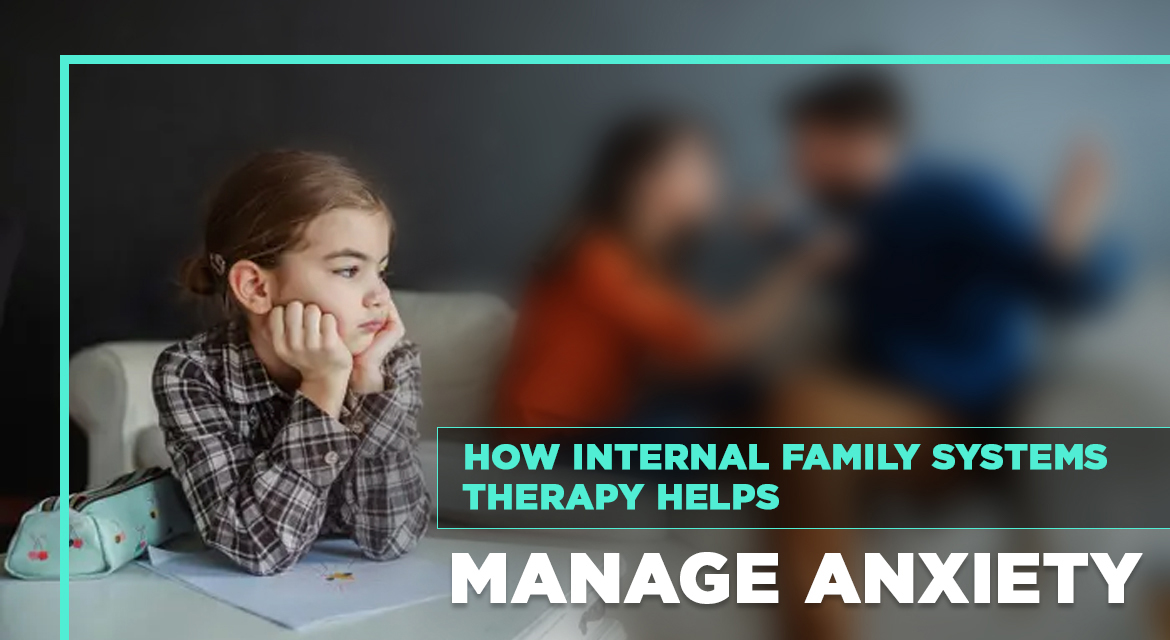
How Internal Family Systems Therapy Helps Manage Anxiety
Anxiety can feel overwhelming, exhausting, and difficult to understand. You may find yourself constantly worrying, overthinking conversations, preparing for worst-case scenarios, or feeling stuck in a cycle of fear and self-doubt. While traditional approaches often focus on reducing symptoms, Internal Family Systems (IFS) Therapy offers a different perspective.
Rather than viewing anxiety as something that needs to be eliminated, IFS encourages curiosity and compassion toward the anxious parts of ourselves. By understanding why anxiety exists and what purpose it serves, individuals can begin to heal from the inside out.
At Horizon Healing Psychotherapy, Internal Family Systems Therapy is used to help clients develop a deeper relationship with themselves, fostering emotional balance, self-leadership, and lasting healing.
Understanding Anxiety Through the Lens of IFS
Internal Family Systems Therapy is based on the idea that the mind is naturally made up of different “parts.” Each part has its own thoughts, emotions, beliefs, and protective strategies.
For example, you may notice:
- A worried part that constantly anticipates problems
- A perfectionist part that pushes you to avoid mistakes
- A critical part that judges your actions
- A people-pleasing part that fears disappointing others
According to IFS, these parts are not flaws or signs that something is wrong with you. Instead, they are protective responses that developed to help you cope with difficult experiences, stress, or emotional pain.
Anxiety often emerges when these protective parts work overtime in an attempt to keep you safe.
Why Anxiety Is Often a Protective Part
Many people view anxiety as an enemy. However, from an IFS perspective, anxiety is often carried by a protective part that has good intentions.
For example, an anxious part may believe:
- If I worry enough, nothing bad will happen.
- If I stay alert, I can prevent mistakes.
- If I prepare for every possibility, I won’t get hurt.
- If I keep people happy, I won’t be rejected.
Although these strategies may have been helpful at some point, they can become exhausting when they dominate daily life.
IFS invites us to approach these anxious parts with curiosity rather than judgment.
Instead of asking:
“How do I get rid of my anxiety?”
IFS encourages us to ask:
“What is this anxious part trying to protect me from?”
This shift often creates a powerful opening for healing.
The Three Types of Parts in IFS
IFS identifies several categories of parts that can influence anxiety.
Managers
Managers work proactively to prevent emotional pain.
Examples include:
- Perfectionism
- Overplanning
- Constant worrying
- Excessive responsibility
These parts often contribute to anxiety because they believe staying in control will prevent harm.
Firefighters
Firefighters respond when emotional distress becomes overwhelming.
They may attempt to reduce discomfort through:
- Avoidance
- Emotional numbing
- Overworking
- Excessive scrolling or distractions
Although these strategies provide temporary relief, they may not address the underlying causes of anxiety.
Exiles
Exiles are vulnerable parts that carry emotional wounds, fears, shame, grief, or painful memories.
Protective parts often work hard to prevent these feelings from surfacing.
In many cases, anxiety develops because protective parts are trying to keep exiled emotions hidden and contained.
The Role of Self in Healing Anxiety
One of the most unique aspects of Internal Family Systems Therapy is the concept of Self.
Self is the calm, compassionate, curious, and confident core that exists within every person.
When individuals connect with Self, they can begin to relate differently to their anxious parts.
Instead of feeling overwhelmed by anxiety, they learn to approach it with understanding and compassion.
Characteristics of Self include:
- Calmness
- Curiosity
- Compassion
- Confidence
- Courage
- Clarity
- Creativity
- Connectedness
The goal of IFS therapy is not to eliminate parts but to strengthen Self-leadership so that protective parts no longer have to carry their burdens alone.
How IFS Therapy Helps Reduce Anxiety
Building Awareness of Inner Parts
The first step involves identifying the parts contributing to anxiety.
Clients learn to recognize:
- What triggers anxiety
- Which parts become activated
- How these parts attempt to protect them
This increased awareness often reduces feelings of confusion and self-judgment.
Developing Compassion Instead of Criticism
Many people respond to anxiety with frustration or shame.
IFS encourages a different approach.
When anxious parts feel understood rather than criticized, they often become less reactive and more willing to communicate their needs.
Healing Underlying Emotional Wounds
Anxiety is frequently connected to deeper experiences such as:
- Childhood criticism
- Rejection
- Bullying
- Family conflict
- Traumatic experiences
- Cultural or immigration-related stress
IFS helps individuals gently access and heal these wounded parts, reducing the need for protective anxiety responses.
Strengthening Self-Leadership
As clients develop a stronger connection to Self, they become better equipped to manage emotional challenges with confidence and resilience.
Instead of being controlled by anxiety, they learn to respond thoughtfully and intentionally.
Who Can Benefit from IFS Therapy for Anxiety?
Internal Family Systems Therapy may be helpful for individuals experiencing:
- Generalized anxiety
- Social anxiety
- Perfectionism
- Chronic worry
- People-pleasing patterns
- Low self-esteem
- Trauma-related anxiety
- Life transitions
- Immigration and cultural adjustment challenges
Because IFS is non-pathologizing and compassionate, many individuals find it empowering and deeply validating.
Benefits of Online IFS Therapy
At Horizon Healing Psychotherapy, virtual therapy sessions provide convenient access to support from the comfort of your home.
Benefits include:
- Greater flexibility
- Increased privacy
- Comfortable and familiar surroundings
- Access to therapy across Ontario
Online IFS therapy can be just as effective as in-person sessions while offering additional convenience for busy individuals and families.
Moving Toward Healing
Anxiety is not a sign that something is wrong with you. Often, it reflects parts of you that have been working tirelessly to protect you from pain, uncertainty, or vulnerability.
Internal Family Systems Therapy offers a compassionate path toward understanding these parts rather than fighting against them. Through curiosity, self-compassion, and self-leadership, many individuals discover greater emotional balance and freedom from chronic anxiety.
At Horizon Healing Psychotherapy, we provide a warm, supportive space where you can explore your inner world and build a healthier relationship with yourself.
Ready to Explore IFS Therapy?
If anxiety is affecting your daily life, relationships, or overall wellbeing, support is available. Internal Family Systems Therapy can help you better understand your inner experiences and develop lasting tools for healing and growth.
Book a virtual therapy session today and take the first step toward a calmer, more connected version of yourself.
- Psychotherapy sessions are virtual( meet from the comfort of your home)
- Timings: 10 am-3:30 pm. Evenings are available from 6pm to 10pm with a time/day consultation.
- some weekends available on request.


Useful Links
NewsLetter
Feel Free to reach out if you want to collaborate with us, or simply have a chat.

