- Home
- About Sadaf
- Our Services
- Therapies Offered
- Cognitive Behavioural Therapy (CBT)
- Emotionally Focused Therapy (EFT)
- Trauma-Informed Therapy
- Mindfulness-Based Therapy
- Acceptance & Commitment Therapy (ACT)
- Internal Family Systems (IFS) Therapy
- Person Centred Therapy
- Psychodynamic Therapy
- Solution-Focused Therapy
- Dialectical Behaviour Therapy (DBT)
- Psychoeducation
- Areas of Support
- Rates

- Home
- About Sadaf
- Our Services
- Therapies Offered
- Cognitive Behavioural Therapy (CBT)
- Emotionally Focused Therapy (EFT)
- Trauma-Informed Therapy
- Mindfulness-Based Therapy
- Acceptance & Commitment Therapy (ACT)
- Internal Family Systems (IFS) Therapy
- Person Centred Therapy
- Psychodynamic Therapy
- Solution-Focused Therapy
- Dialectical Behaviour Therapy (DBT)
- Psychoeducation
- Areas of Support
- Rates
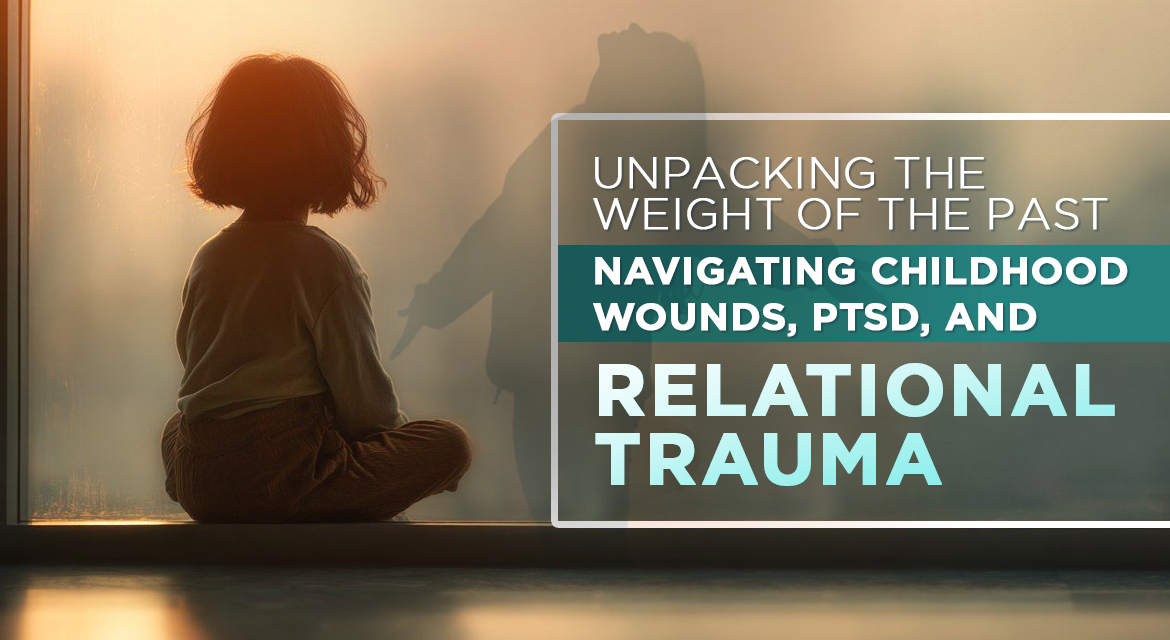
Unpacking the Weight of the Past: Navigating Childhood Wounds, PTSD, and Relational Trauma
The human psyche possesses an extraordinary capacity to endure, adapt, and survive. However, when we experience overwhelming pain or persistent danger early in life or within our closest relationships, the echoes of those experiences do not simply vanish when we grow up. Instead, they can become deeply woven into our nervous system, affecting how we view ourselves, how we love, and how we navigate the world.
Unpacking the heavy weight of the past requires courage, patience, and a compassionate framework for understanding how different forms of trauma manifest in our daily lives.
- The Long Shadow of Childhood Wounds
Our earliest environments form the blueprint through which we understand safety, trust, and emotional connection. When children experience neglect, instability, chronic conflict, or emotional invalidation, it disrupts their foundational development.
These childhood wounds often follow individuals well into adulthood. Adults carrying unhealed childhood trauma may struggle with chronic self-doubt, perfectionism, intense fear of rejection, or difficulty setting healthy boundaries. Because the brain adapted to survive a chaotic or unsupportive early environment, those same survival mechanisms—such as hypervigilance or emotional shutdown—can feel frustratingly out of place in adult life, yet difficult to turn off.
- When the Past Refuses to Stay Past: Understanding PTSD
For many, overwhelming experiences translate into Post-Traumatic Stress Disorder (PTSD). PTSD is not a sign of weakness; it is a normal physiological and psychological response to abnormal, terrifying events.
When a person experiences PTSD, the brain’s alarm system gets stuck in the “on” position. Triggers in the present moment can cause flashbacks, severe anxiety, emotional numbness, or intrusive memories, making it feel as though the traumatic event is happening all over again. Navigating PTSD means learning how to gently signal to the nervous system that the danger has passed, allowing the body to transition from survival mode back into actual living.
- The Pain of Connection: Interpersonal and Relational Trauma
Humans are biologically wired for connection, which is precisely why interpersonal and relational trauma can be so deeply devastating. This category of trauma occurs within relationships where trust and safety were violated—whether by authority figures, friends, peers, or family members.
Relational trauma shatters the fundamental belief that other people are safe. As a result, individuals often struggle with profound trust issues, fear of vulnerability, or a tendency to oscillate between clinging to others and pushing them away. Healing from relational trauma requires experiencing a corrective, safe relationship—often found in the therapeutic alliance—where boundaries are respected and emotional safety is consistently rebuilt.
- Surviving the Unimaginable: Intimate Partner Violence
One of the most insidious forms of interpersonal wounding is intimate partner violence (IPV). IPV encompasses physical, emotional, sexual, or psychological harm inflicted by a current or former romantic partner.
The impacts of intimate partner violence extend far beyond physical injuries. Survivors often grapple with profound isolation, eroded self-esteem, chronic anxiety, and complex trauma responses. Escaping or surviving an abusive partner is an immense victory, but the internal healing journey involves untangling the psychological conditioning, reclaiming autonomy, and learning what genuine, mutual respect feels like.
Moving Forward: Your Path to Healing
Carrying the weight of childhood wounds, PTSD, relational trauma, or intimate partner violence can feel isolating and exhausting. But you do not have to untangle the past by yourself. Healing is a deeply personal journey with no rigid timeline, and every small step toward self-compassion matters.
If you are ready to explore a safe, supportive space to process your experiences and reclaim your present, professional guidance can illuminate the way. Horizon Healing Psychotherapy offers a compassionate environment tailored to your unique healing journey. Take the first step today by booking your Free 20-Minute Consultation and begin moving forward at your own pace.
- Psychotherapy sessions are virtual( meet from the comfort of your home)
- Timings: 10 am-3:30 pm. Evenings are available from 6pm to 10pm with a time/day consultation.
- some weekends available on request.


Useful Links
NewsLetter
Feel Free to reach out if you want to collaborate with us, or simply have a chat.

